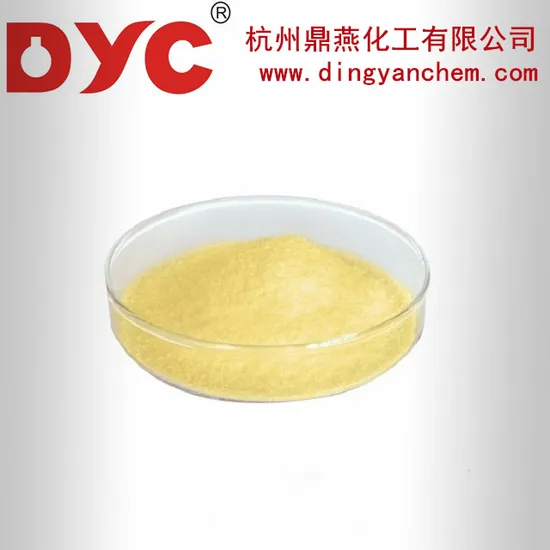
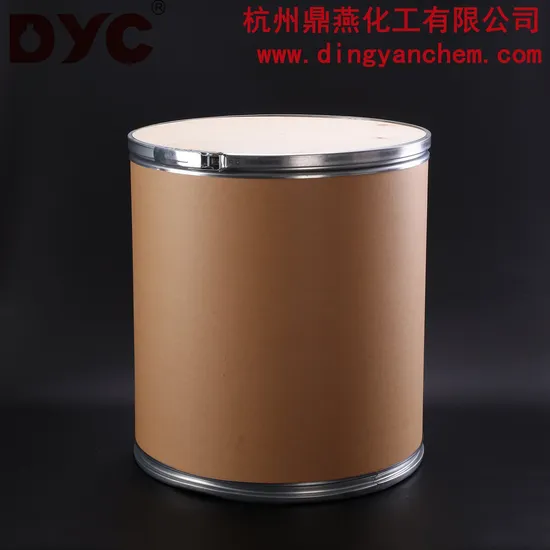
Secure consistent pharmaceutical synthesis results with our 4-Nitrobenzoyl Chloride 99% Purity CAS 122-04-3, a critical organic synthesis reagent that minimizes batch variability for drug development and fine chemical production. With a melting point of 71-74 °C (Lit.) and strict storage protocols in sealed, dry packaging, this solid compound ensures stability throughout your manufacturing process.
- Enables reliable pharmaceutical, dye, and organic synthesis applications with high purity (>99%)
- Bulk packaging options (250kg/drum or 1,250kg/IBC) support seamless scaling from laboratory to production
- Backed by our robust supply chain to maintain steady availability for long-term projects
Description
For industrial manufacturing and laboratory research purposes only.
Product Specifications
| Parameter | Value |
|---|---|
| Product Name | 4-Nitrobenzoyl Chloride |
| CAS Number | 122-04-3 |
| Purity | >99% |
| Purity Degree | 99% |
| State | Solid |
| Molecular Formula | C7H4ClNO3 |
| Boiling Point | 277.8±13.0 °C at 760 mmHg |
| Melting Point | 71-74 °C(Lit.) |
| Storage Condition | Store in Sealed, Dry Packaging |
| Packing | 25kgs |
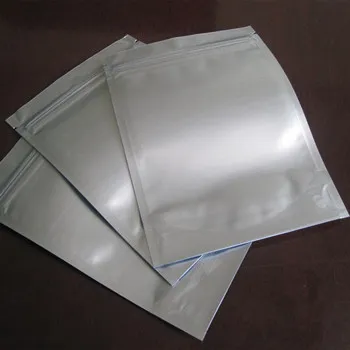
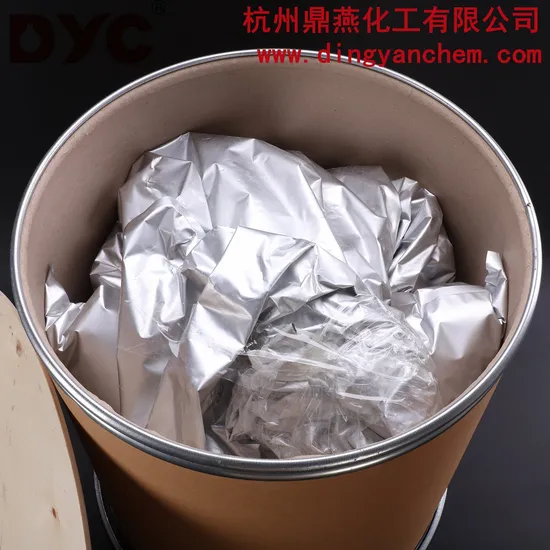
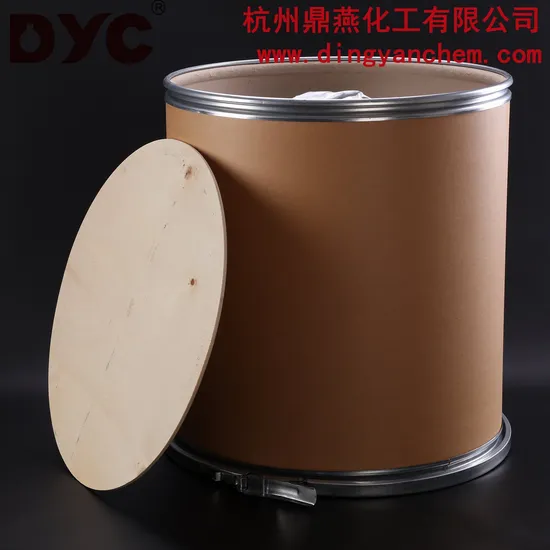
| Transport Package | by Foil – Alum Bag or Paper Drum |
| Specification | 250kg/drum Or 1,250kg/IBC |
| HS Code | 2916399090 |
| Production Capacity | 20t/Year |
Overcoming Purity Challenges in Pharmaceutical Synthesis with 4-Nitrobenzoyl Chloride CAS 122-04-3
We’ve witnessed firsthand how inconsistent 4-Nitrobenzoyl Chloride quality disrupts pharmaceutical R&D—impurities causing unexpected副反应, batch-to-batch variations derailing long-term studies, and delayed deliveries halting production timelines. In our decade of serving pharmaceutical synthesis facilities, these pain points remain industry-wide hurdles.
A Stable Supply of High-Purity 4-Nitrobenzoyl Chloride for Critical Applications
Our 4-Nitrobenzoyl Chloride 99% purity addresses these challenges through a vertically integrated supply chain. With a dedicated 20-ton annual production line and ISO-certified warehousing in Jinan, we ensure consistent availability from kilogram-scale R&D to ton-level manufacturing. This stability has made us the trusted partner for pharmaceutical intermediates across 50+ countries.
Core Applications in Industrial Synthesis
This organic synthesis reagent serves as a key intermediate in pharmaceutical manufacturing, dye production, and specialty chemical synthesis. Its acyl chloride functionality enables critical coupling reactions in API development, making it indispensable for creating complex organic molecules in controlled industrial environments.
Why Purity and Consistency Matter in Chemical Synthesis
The 99% purity specification isn’t arbitrary—even 0.5% impurities can introduce unwanted side reactions in pharmaceutical synthesis, requiring costly purification steps. Our tight boiling point control (277.8±13.0°C) ensures minimal degradation during processing, while the defined melting range (71-74°C) provides a reliable quality check for incoming materials. Consistent solid-state properties also simplify handling in automated production lines, reducing material waste and processing time.
Risk Mitigation Through Quality Assurance
Choosing substandard 4-Nitrobenzoyl Chloride risks production delays, batch failures, and non-compliance with regulatory standards. Our product meets REACH and ICH guidelines, with heavy metal levels below 10ppm—critical for pharmaceutical export markets. The stable supply chain eliminates price volatility concerns, allowing accurate cost forecasting for long-term projects.
Our quality assurance protocol includes HPLC purity analysis, NMR structural confirmation, and moisture content testing for every batch. Each shipment includes a detailed Certificate of Analysis with impurity profiles, and we maintain 24-month stability data for all production lots. Our 250kg drum packaging is UN-certified for hazardous materials, ensuring safe transportation and storage compliance.
Certificate of Analysis & Documentation
Every order includes a batch-specific COA with test results for purity, melting point, and residual solvents. MSDS documents are provided in multiple languages, and full analytical reports including HPLC chromatograms can be requested for regulatory submissions. We maintain batch records for 5 years to support traceability requirements.
Storage & Handling
- Store in a cool, dry, well-ventilated area, sealed and away from direct sunlight.
- Keep away from incompatible materials, food and feed sources.
- Handle with appropriate personal protective equipment (gloves, goggles, lab coat).
- Follow good industrial hygiene practices. Avoid inhalation and skin contact.
- Refer to MSDS for detailed storage and safety instructions.
Streamlined Procurement Process for Industrial Buyers
Our standard transaction process begins with a detailed technical questionnaire to confirm your specific requirements. We offer free samples for qualification testing, followed by flexible bulk ordering options from 25kg to full container loads. All shipments include customs documentation and regulatory compliance certificates to expedite import processes.
Frequently Asked Questions
Q: What is the shelf life of 4-Nitrobenzoyl Chloride when properly stored?
A: When stored in sealed, dry packaging under recommended conditions, the product maintains stability for 12 months from the date of manufacture.
Q: Can this product be used in pharmaceutical production for human consumption?
A: No. This product is for industrial and laboratory research use only, not for direct therapeutic or human consumption applications.
Q: What documentation is provided with each shipment?
A: Each order includes a Certificate of Analysis, Material Safety Data Sheet, and shipping documentation including hazardous materials declarations where applicable.
Q: Do you offer custom packaging options beyond the standard 25kg and 250kg sizes?
A: Yes, custom packaging can be arranged for large-volume orders. Please contact our sales team to discuss specific requirements.
Q: How is the purity of your 4-Nitrobenzoyl Chloride verified?
A: Purity is determined using high-performance liquid chromatography (HPLC) with UV detection, following USP standards for organic synthesis reagents.
Related products
-
N-Methyl-N-Propylpiperidinium Ntf2 99% Purity Solid CAS 608140-12-1 for Chemical Production
Read more -
Palmitic Acid CAS 57-10-3 99% Purity Solid ISO Certified for Chemical Manufacturing
Read more -
3,4-Dimethylthiophene-2,5-Dicarbonitrile CAS 155632-41-0 99% Purity Solid Chemical Product
Read more -
1-Phenylicosane-1,3-Dione 99% Purity CAS 58446-52-9 for Industrial Chemical Processing
Read more