
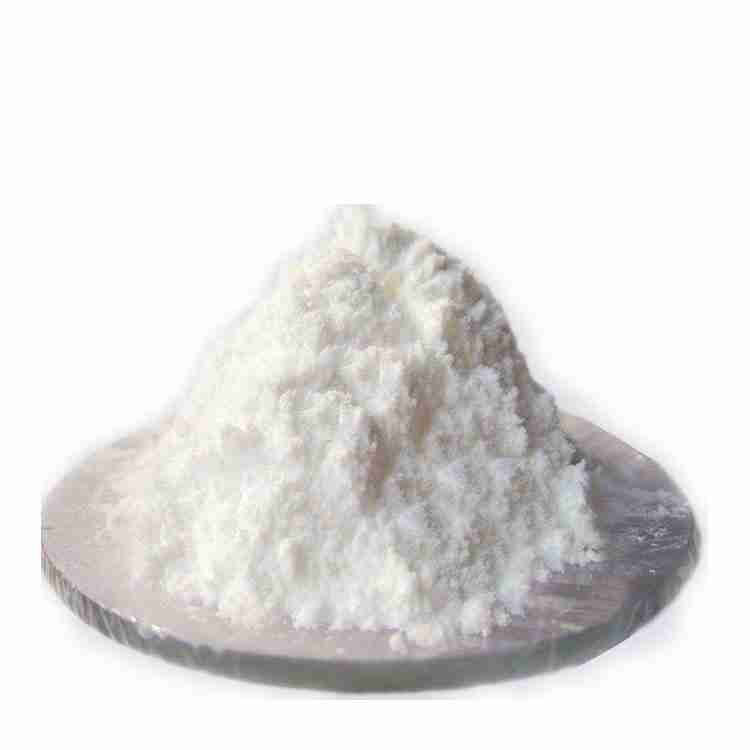
Arbutin CAS#497-76-7

Arbutin, a derivative of hydroquinone, is a naturally occurring compound extracted primarily from the bearberry plant (Arctostaphylos uva-ursi). It is renowned in the skincare industry for its skin lightening properties, making it a popular ingredient in cosmetic products designed to reduce hyperpigmentation and even out skin tone. Chemically, arbutin is ??-glucosiduronic acid of hydroquinone, with the molecular formula C12H12O7. Its mechanism of action involves the inhibition of tyrosinase, a key enzyme in the melanin biosynthesis pathway. By reducing melanin production, arbutin effectively lightens the skin without the risk of irritation often associated with hydroquinone. Arbutin is valued for its safety profile, as it is considered less irritating and more stable compared to other skin lightening agents. It is also known for its antioxidant properties, which contribute to its skin brightening effects and overall skin health benefits.

In summary, arbutin is a reliable and gentle alternative for skin lightening, offering a natural approach to reducing pigmentation issues while promoting a more radiant and even complexion. Its use in skincare formulations is favored for its efficacy and mildness, making it suitable for various skin types.

Arbutin CAS#497-76-7
In Stock
FDA EU Reg. ISO 9001 HACCP Halal Kosher GMP

Technical Specifications

Product Name Arbutin CAS#497-76-7

Full COA, MSDS, FDA/EU compliance documentation and third-party lab reports available upon request.

Product Description

Arbutin, a derivative of hydroquinone, is a naturally occurring compound extracted primarily from the bearberry plant (Arctostaphylos uva-ursi). It is renowned in the skincare industry for its skin lightening properties, making it a popular ingredient in cosmetic products designed to reduce hyperpigmentation and even out skin tone.

Chemically, arbutin is ??-glucosiduronic acid of hydroquinone, with the molecular formula C12H12O7. Its mechanism of action involves the inhibition of tyrosinase, a key enzyme in the melanin biosynthesis pathway. By reducing melanin production, arbutin effectively lightens the skin without the risk of irritation often associated with hydroquinone.

Arbutin is valued for its safety profile, as it is considered less irritating and more stable compared to other skin lightening agents. It is also known for its antioxidant properties, which contribute to its skin brightening effects and overall skin health benefits.

In summary, arbutin is a reliable and gentle alternative for skin lightening, offering a natural approach to reducing pigmentation issues while promoting a more radiant and even complexion. Its use in skincare formulations is favored for its efficacy and mildness, making it suitable for various skin types.

Description

Melting point 195-198???C
Boiling point 375.31??C (rough estimate)
alpha -64 o (c=3)
density 1.3582 (rough estimate)
refractive index -65.5 ?? (C=4, H2O)
storage temp. Inert atmosphere,Room Temperature
solubility H2O: 50?mg/mL hot, clear
form Solid
pka 10.10??0.15(Predicted)
color White
optical activity [??]/D -64.0??2.0??, c = 3 in H2O
Water Solubility 10-15 g/100 mL at 20 oC
Sensitive Hygroscopic
Merck 14,773
BRN 89673
Stability: Stable. Hygroscopic – store under dry nitrogen.
InChIKey BJRNKVDFDLYUGJ-RMPHRYRLSA-N
LogP -1.350
CAS DataBase Reference 497-76-7(CAS DataBase Reference)
EPA Substance Registry System .beta.-D-Glucopyranoside, 4-hydroxyphenyl (497-76-7)
Safety Information
Hazard Codes Xn
Risk Statements 20/21/22-36/37/38
Safety Statements 22-24/25-36-26
WGK Germany 3
RTECS CE8863000
F 3-10-23
HS Code 29389090
Hazardous Substances Data 497-76-7(Hazardous Substances Data)
Related Products
hexyl D-glucoside CAS#54549-24-5
Daily Chemicals

hexyl D-glucoside CAS#54549-24-5

Hexyl D-glucoside is a non-ionic, plant-based surfactant derived from renewable resources such as corn or potato starch. It is recognized for its excellent skin compatibility and mildness, making it a preferred choice for formulations in personal care products, especially those targeting sensitive skin. With its superior solubilizing and foaming capabilities, it enhances the sensory experience of the product without compromising its gentleness. Its eco-friendly profile and biodegradability also align with green chemistry principles, appealing to consumers seeking sustainable product options.

View Details →
N,N-Diethyl-m-toluamide CAS#134-62-3
Daily Chemicals

N,N-Diethyl-m-toluamide CAS#134-62-3

N,N-Diethyl-m-toluamide, commonly known as DEET, is a widely recognized synthetic compound that serves as the active ingredient in numerous insect repellent products. DEET is characterized by its efficacy in deterring and repelling a variety of insects, including mosquitoes, ticks, and flies, which are known vectors for diseases such as malaria, Lyme disease, and Zika virus. Chemically, DEET is an amide with the molecular formula C12H19NO. It was first developed in 1946 and has since become the benchmark against which other insect repellents are measured. DEET works by targeting the olfactory receptors of insects, masking the scent of humans and animals, which are typically attractive to these pests. This compound is valued for its long-lasting protection and stability under various environmental conditions. It is available in various formulations, including sprays, lotions, and creams, and can be applied topically to skin or clothing. DEET is also known for its compatibility with other active ingredients, allowing for the development of multi-purpose products. In summary, DEET is a reliable and effective insect repellent, widely used for its ability to provide durable protection against disease-carrying insects. Its chemical properties and formulation flexibility make it a staple in the field of personal insect protection.

View Details →
Ammonium sulfamate CAS#7773-06-0
Daily Chemicals

Ammonium sulfamate CAS#7773-06-0

Ammonium sulfamate is a white crystalline compound with the chemical formula (NH4)2SO3. It is a versatile chemical used in various applications, including as a flame retardant, a fertilizer ingredient, and a chemical intermediate. In the agricultural sector, it serves as a source of nitrogen, promoting plant growth. As a flame retardant, it is effective in reducing the flammability of materials. Additionally, it is used in the synthesis of other chemicals due to its reactivity with amines and other organic compounds. Its properties make it a valuable component in a range of industrial processes.

View Details →
2-Methyl-4-isothiazolin-3-one CAS#2682-20-4
Daily Chemicals

2-Methyl-4-isothiazolin-3-one CAS#2682-20-4

2-Methyl-4-isothiazolin-3-one, commonly referred to as MI, is a potent, synthetic preservative widely used in the cosmetic and personal care industry. This organic compound, with the chemical formula C4H5NOS, is a member of the isothiazolinone family known for its broad-spectrum antimicrobial activity. MI is effective against a variety of microorganisms, including bacteria, yeasts, and molds, making it an ideal preservative for formulations that require protection from spoilage and contamination. It is particularly valued for its ability to provide long-lasting protection even at low concentrations. As a preservative, MI is recognized for its compatibility with a wide range of cosmetic ingredients and its ability to be used in leave-on and rinse-off products. Its stability in different pH ranges and resistance to heat and light further contribute to its utility in various formulations. In summary, 2-Methyl-4-isothiazolin-3-one is a reliable and efficient preservative, offering robust antimicrobial protection for a diverse array of products. Its versatility and effectiveness make it a preferred choice for maintaining the integrity and safety of cosmetic and personal care products.

View Details →
Ready to Order?

Get Free Samples & Full
Certification Package Today

No minimum order for samples. COA, MSDS, FDA/EU certificates and third-party lab reports delivered with every sample. Technical team responds within 24 hours.