Calcium carbonate CAS#471-34-1

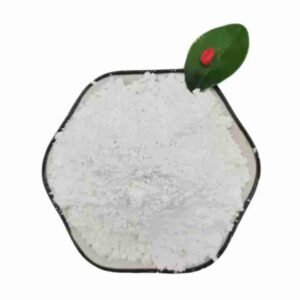
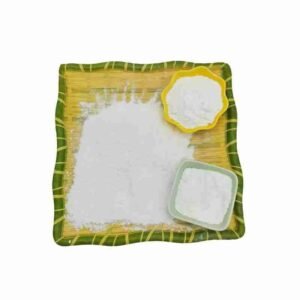
Calcium carbonate, with the chemical formula CaCO3, is an inorganic compound found in nature as calcite, aragonite, and vaterite. It is a white solid that is insoluble in water but soluble in acid. Widely used as a filler and coating pigment in paper and plastics, calcium carbonate also serves as a primary ingredient in the production of cement and lime. Known for its high purity and chemical stability, it is utilized in pharmaceuticals, food additives, and as a dietary calcium supplement. Its versatility makes it an essential component in various industrial applications.

Calcium carbonate CAS#471-34-1
In Stock
FDA EU Reg. ISO 9001 HACCP Halal Kosher GMP

Technical Specifications

Product Name Calcium carbonate CAS#471-34-1

Full COA, MSDS, FDA/EU compliance documentation and third-party lab reports available upon request.

Product Description

Calcium carbonate, with the chemical formula CaCO3, is an inorganic compound found in nature as calcite, aragonite, and vaterite. It is a white solid that is insoluble in water but soluble in acid. Widely used as a filler and coating pigment in paper and plastics, calcium carbonate also serves as a primary ingredient in the production of cement and lime. Known for its high purity and chemical stability, it is utilized in pharmaceuticals, food additives, and as a dietary calcium supplement. Its versatility makes it an essential component in various industrial applications.

Category:

Description

Calcium carbonate CAS#471-34-1

Calcium carbonate Chemical Properties
Melting point 825 ??C
Boiling point 800 ??C
density 2.93 g/mL at 25 ??C (lit.)
refractive index 1.6583
storage temp. Store at +5??C to +30??C.
solubility 5 M HCl: 0.1?M at?20???C, clear, colorless
form random crystals
color White-beige to slightly beige-gray
Specific Gravity 2.93
PH 9.91(1 mM solution);9.91(10 mM solution);9.91(100 mM solution);
Odor Odorless
PH Range 8
Water Solubility Insoluble
??max ??: 260 nm Amax: ??0.09
??: 280 nm Amax: ??0.06
Merck 14,1657
BRN 8008338
Solubility Product Constant (Ksp) pKsp: 8.54
Exposure limits NIOSH: TWA 10 mg/m3; TWA 5 mg/m3
Dielectric constant 6.1??Ambient??
Stability: Stable. Incompatible with acids, fluorine, ammonium salts, alum.
InChIKey VTYYLEPIZMXCLO-UHFFFAOYSA-L
CAS DataBase Reference 471-34-1(CAS DataBase Reference)
EPA Substance Registry System Calcium carbonate (471-34-1)
Safety Information
Hazard Codes Xi
Risk Statements 37/38-41-36/38-36
Safety Statements 26-36/37/39-37/39-37
OEB B
OEL TWA: 10 mg/m3 (total)
WGK Germany
RTECS FF9335000
TSCA Yes
HS Code 28365000
Hazardous Substances Data 471-34-1(Hazardous Substances Data)
Toxicity LD50 orally in Rabbit: 6450 mg/kg LD50 dermal Rat > 2000 mg/kg


Related Products
Copper(II) sulfate CAS#7758-98-7
Chemical Minerals

Copper(II) sulfate CAS#7758-98-7

Copper(II) sulfate, with the chemical formula CuSO4, is a blue crystalline compound that is soluble in water. It is commonly used in agriculture as a fungicide and in the textile industry as a dye fixative. Copper(II) sulfate is also utilized in the manufacture of pigments, batteries, and as an algaecide in water treatment. Its distinctive blue color and reactivity make it a versatile chemical in various industrial applications, including chemical analysis and electroplating.

View Details →
Hexaammonium molybdate CAS#12027-67-7
Chemical Minerals

Hexaammonium molybdate CAS#12027-67-7

Hexaammonium molybdate is a high-purity, water-soluble molybdenum compound with the chemical formula (NH4)6Mo7O24??4H2O. It is a crystalline solid that serves as a molybdenum source in various applications, including agriculture as a micronutrient fertilizer and in the industrial production of catalysts and pigments. Known for its stability and reactivity, it is used to enhance the properties of steel and other alloys, promoting their hardness and resistance to wear.

View Details →
Sodium thioglycolateCAS#367-51-1
Chemical Minerals

Sodium thioglycolateCAS#367-51-1

Sodium thioglycolate is a sulfur-containing organic compound used as a reducing agent in various chemical processes. It is a colorless to pale yellow liquid with a strong, unpleasant odor. Known for its ability to reduce disulfide bonds to sulfhydryl groups, it is widely used in the hair care industry for permanent waving and straightening treatments. Additionally, sodium thioglycolate is employed in the manufacturing of pharmaceuticals, dyes, and rubber chemicals. Its effectiveness in breaking and reforming chemical bonds makes it a versatile ingredient in the chemical and cosmetic industries.

View Details →
Bentonite, sodian CAS#85049-30-5
Chemical Minerals

Bentonite, sodian CAS#85049-30-5

Bentonite, sodium-activated, is a type of clay rich in montmorillonite minerals, which undergoes a process to increase its sodium content. This alteration enhances its swelling and adsorptive properties, making it a highly effective thickener and gel-forming agent. Sodium bentonite is widely used in drilling muds, foundry sands, and as a binder in various industrial applications. Its ability to absorb liquids and form stable gels makes it invaluable in cosmetics, agriculture, and as a component in the manufacturing of ceramics and paper products.

View Details →
Ready to Order?

Get Free Samples & Full
Certification Package Today

No minimum order for samples. COA, MSDS, FDA/EU certificates and third-party lab reports delivered with every sample. Technical team responds within 24 hours.