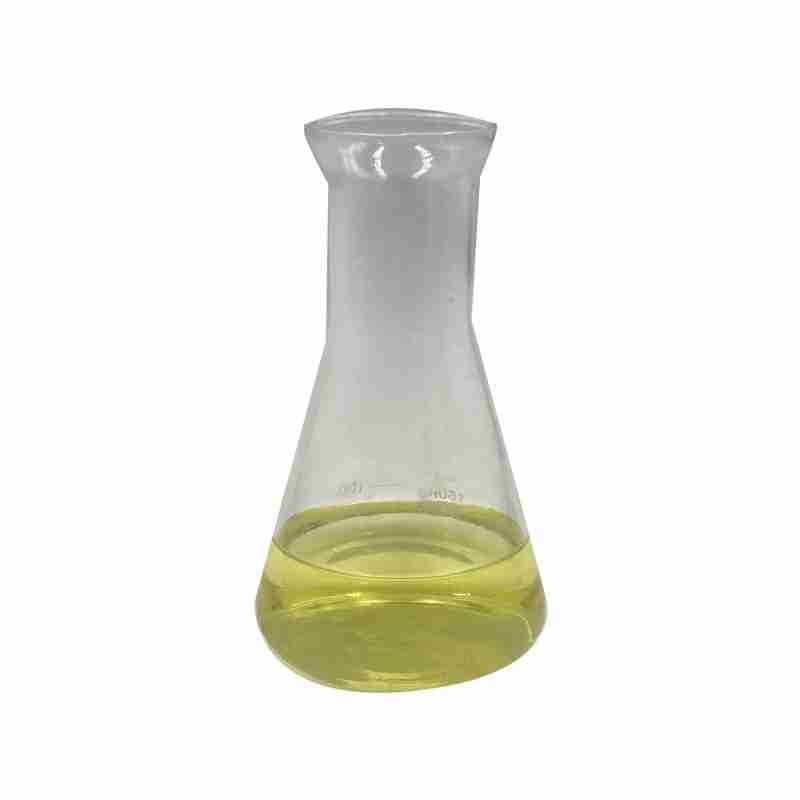
Coconut diethanolamide CAS#68603-42-9

Coconut diethanolamide is a derivative of coconut fatty acids, where the fatty acid is reacted with diethanolamine to form an amide. This compound is commonly used as an emulsifier and viscosity modifier in personal care products such as shampoos, conditioners, and creams. It imparts a smooth texture and enhances the stability of formulations. Coconut diethanolamide is valued for its ability to improve the foaming properties and skin feel of products, making it a preferred ingredient for creating luxurious and effective formulations in the cosmetics and personal care industry.

Coconut diethanolamide CAS#68603-42-9
In Stock
FDA EU Reg. ISO 9001 HACCP Halal Kosher GMP

Technical Specifications

Product Name Coconut diethanolamide CAS#68603-42-9

Full COA, MSDS, FDA/EU compliance documentation and third-party lab reports available upon request.

Product Description

Coconut diethanolamide is a derivative of coconut fatty acids, where the fatty acid is reacted with diethanolamine to form an amide. This compound is commonly used as an emulsifier and viscosity modifier in personal care products such as shampoos, conditioners, and creams. It imparts a smooth texture and enhances the stability of formulations. Coconut diethanolamide is valued for its ability to improve the foaming properties and skin feel of products, making it a preferred ingredient for creating luxurious and effective formulations in the cosmetics and personal care industry.

Description

Coconut diethanolamide Chemical Properties
Boiling point 168-274??C
Odor at 100.00?%. mild ammonia
Water Solubility 5-10 g/100 mL at 18 oC
Stability: Stable. Combustible. Incompatible with strong oxidizing agents.
IARC 2B (Vol. 101) 2013
EPA Substance Registry System Cocamides diethanolamines (68603-42-9)
Safety Information
Hazardous Substances Data 68603-42-9(Hazardous Substances Data)
MSDS Information
Provider Language
Coconut diethanolamide English
Coconut diethanolamide Usage And Synthesis
Description Cocamide DEA is also named N,N-bis(2-hydroxyethyl) coco fatty acid diethanolamide, coconut fatty acid diethanolamide, cocoyl diethanolamide, and coconut oil acid diethanolamide. It is manufactured from coconut oil and is widely used in industry and at horne as a surface-active agent. It is contained in hand gels, handwashing soaps, shampoos and dish-washing liquids for its foam-producing and stabilizing properties, and in metalworking fluids and polishing agents as an anticorrosion inhibitor.
Chemical Properties viscous yellow to amber liquid
Uses cocamide DEA is a thickener and viscosity builder for cosmetic surfactant systems. It is added to lauryl sulfate-based liquid cleansers to help stabilize the lather and improve foam formation.
Uses Coconut diethanolamide is a mixture of ethanolamides of coconut acid. It is a component in bath, shower and body cosmetics and in cooling fluids; emulsifying agent; emulsion stabilizer; surfactant- and viscosity-controlling agent.
Application Coconut diethanolamide has the properties of wetting, washing, emulsifying, softening, etc. It has good foam stabilising effect on anionic surfactants. It is an indispensable raw material for a variety of cosmetic products such as liquid detergents, liquid soaps, shampoos, cleansers and cleansers. When used with soap, it is resistant to hard water.
It can also be used as an emulsifying stabiliser for cream products, and is widely used in shoe polish, printing inks, drawing supplies and so on.
It is used in the textile printing and dyeing industry as a detergent for fabrics, as well as other detergent ingredients and thickeners.
It is one of the components of spinning oil for synthetic fibres such as polypropylene. It has a good thickening effect on liquid products using anionic surfactants as the main raw material.
It has a certain antistatic conditioning effect and is less irritating to the skin.
It is widely used as an emulsifier for oily raw materials in various cosmetics and surfactant products. It is commonly used in cosmetic formulations for bath oils, shampoos, conditioners, lipsticks and hair dyes. It is also a surfactant in soap bars, light detergents and dishwashing detergents, and a degreasing agent for cottonseed.
General Description Viscous amber or yellow liquid. pH (1% aqueous solution) 9.
Air & Water Reactions Water soluble. Foams in water.
Reactivity Profile Coconut diethanolamide is a mixture of amines. Amines are chemical bases. They neutralize acids to form salts plus water. These acid-base reactions are exothermic. The amount of heat that is evolved per mole of amine in a neutralization is largely independent of the strength of the amine as a base. Amines may be incompatible with isocyanates, halogenated organics, peroxides, phenols (acidic), epoxides, anhydrides, and acid halides. Flammable gaseous hydrogen is generated by amines in combination with strong reducing agents, such as hydrides.
Hazard A poison by ingestion. A moderate skin irritant.
Fire Hazard Coconut diethanolamide is probably combustible.
Contact allergens Cocamide DEA, manufactured from coconut oil, is widely used in industry and at home as a surface-active agent. It is contained in hand gels, hand washing soaps, shampoos, and dish-washing liquids for its foam-producing and stabilizing properties, and in metal working fluids and polishing agents as an anticorrosion inhibitor.
Safety Profile A poison by ingestion. A moderate skin irritant. Questionable carcinogen with experimental Carcinogenic data reported. When heated to decomposition it emits acrid smoke and irritating vapors.
Synthesis Coconut diethanolamide is produced by the condensation reaction of an appropriate fatty acid (methyl cocoate, coconut oil, whole coconut acid, or stripped coconut fatty acids) with diethanolamine in 1:1 or 1:2 molar ratios using temperatures up to 170??C and in the presence of an alkaline catalyst. The 1:2 mixtures of fatty acids (or methyl fatty acids) with diethanolamine result in low quality diethanolamides with residual ethylene glycol and free diethanolamine. 1:1 mixtures produce higher quality diethanolamides with much less free amine, and are therefore used in lower concentrations than the 1:2 diethanolamides.
Related Products
Patchouli Oil CAS# 8014-09-3
Daily Chemicals

Patchouli Oil CAS# 8014-09-3

Pogostemon cablin (Blanco) Benth Made from dried leaves. It is a viscous liquid ranging from reddish brown to greenish brown, with a unique, slightly camphor like woody fragrance.The patchouli shrub is mainly planted in Indonesia. It grows up to 1 meter, but when harvested, it will be cut to 10-15 centimeters. It is best to extract oil from sun dried leaves, with a yield of about 2%.The three terpenoids found in patchouli oil, namely caryophyllene, patchouli alcohol or patchouli alcohol, and nopachenol, are the typical sources of patchouli fragrance. Thin layer chromatography and high performance liquid chromatography are used to identify potential chemical markers for evaluating the quality of the Chinese herbal medicine ingredient ??patchouli herb?? (aboveground part of patchouli). In addition to the reported patchouli alcohol and 2-hydroxy-6-methyl-3- (4-methylpentanoyl) -4-pyranone, three phenylethane compounds (acteoside, isoacteoside, and crenatoside) were also isolated from this plant material for the first time.

View Details →
Dioctyl Sebacate CAS# 122-62-3
Daily Chemicals

Dioctyl Sebacate CAS# 122-62-3

Dioctyl sebacate, also known as bis-2-ethylhexyl sebacate, referred to as DOS, is produced by the esterification reaction of sebacic acid and 2-ethylhexanol. Suitable for polyvinyl chloride, vinyl chloride copolymer, nitrocellulose, ethyl cellulose and synthetic rubber, etc. It has high plasticizing efficiency and low volatility. It has excellent cold resistance, good heat resistance, light resistance and electrical insulation. It also has good lubricity when heated, making the product look and feel good, especially Suitable for making cold-resistant wire and cable materials, artificial leather, films, plates, sheets, etc.  

View Details →
Hydrogenated Lecithin CAS #92128-87-5
Daily Chemicals

Hydrogenated Lecithin CAS #92128-87-5

Hydrogenated lecithin is light yellow or milky white powder. Due to the use of catalysis and hydrogenation processes, the unsaturated chains of unsaturated fatty acids in the molecular structure of soybean lecithin disappear, thereby greatly improving the chemical stability, dispersibility, and emulsification of lecithin. It has decolorization and deodorization effects, which is more conducive to storage and preservation, and improves its role in medicine, high-end cosmetics, and light industry. It is especially suitable for intravenous fat emulsifiers and nutrients. It is used as a blood lipid emulsifier to prevent arteriosclerosis, and has the advantages of being easy to digest, easy to absorb, and almost not remaining in the internal organs.

View Details →
Decyl glucoside CAS#68515-73-1
Daily Chemicals

Decyl glucoside CAS#68515-73-1

Decyl glucoside, scientifically known as ??-D-Glucopyranoside, is a non-ionic surfactant derived from renewable resources, such as glucose and fatty alcohols. It is a biodegradable and mild alternative to traditional surfactants, making it a preferred choice for eco-friendly and sensitive skin formulations. This compound is characterized by its ability to form stable emulsions and foams, which are essential properties in a variety of applications, including personal care products and household cleaning agents. Decyl glucoside is valued for its low irritation potential and excellent skin compatibility, making it suitable for use in baby care and cosmetic products. Chemically, decyl glucoside features a hydrophilic head and a hydrophobic tail, allowing it to effectively reduce surface tension and solubilize oils in water. Its mildness and biodegradability contribute to its use in formulations that require gentle cleansing without compromising the integrity of the skin's natural barrier. In summary, decyl glucoside is a versatile and sustainable surfactant that offers a balance of performance and safety. Its eco-friendly profile and compatibility with sensitive skin types make it an ideal ingredient for a wide range of personal care and cleaning products.

View Details →
Ready to Order?

Get Free Samples & Full
Certification Package Today

No minimum order for samples. COA, MSDS, FDA/EU certificates and third-party lab reports delivered with every sample. Technical team responds within 24 hours.