
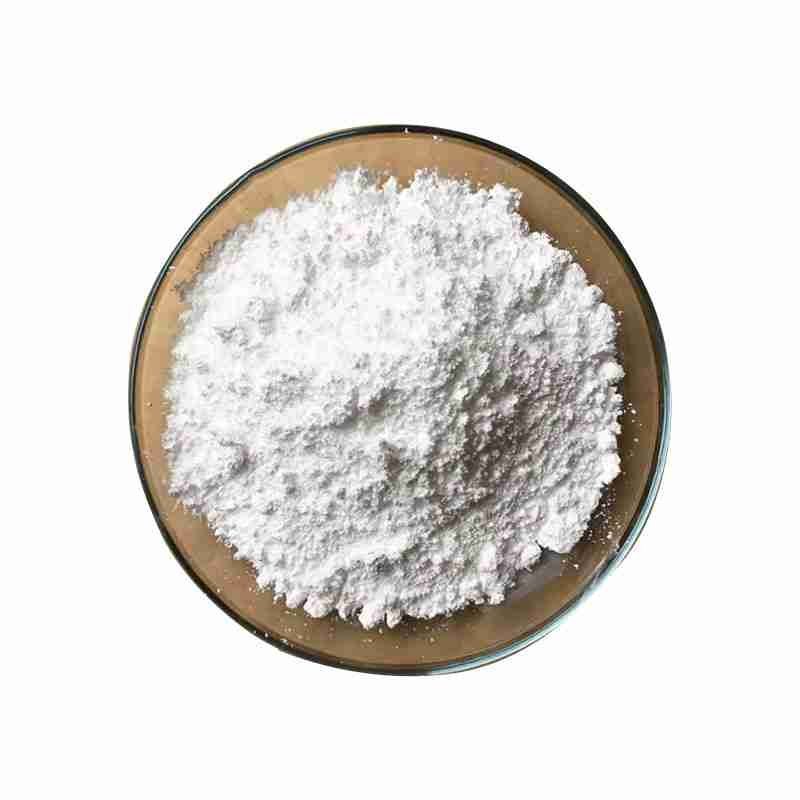
Coconut oil monoethanolamide CAS#68140-00-1

Coconut Oil Monoethanolamide is a high-performance emulsifier derived from natural coconut oil. It is a key component in personal care and cosmetic formulations, providing excellent emulsifying properties and improving product texture. With its natural origin and superior performance, it is the preferred choice for creating stable and high-quality products.

Coconut oil monoethanolamide CAS#68140-00-1
In Stock
FDA EU Reg. ISO 9001 HACCP Halal Kosher GMP

Technical Specifications

Product Name Coconut oil monoethanolamide CAS#68140-00-1

Full COA, MSDS, FDA/EU compliance documentation and third-party lab reports available upon request.

Product Description

Coconut Oil Monoethanolamide is a high-performance emulsifier derived from natural coconut oil. It is a key component in personal care and cosmetic formulations, providing excellent emulsifying properties and improving product texture. With its natural origin and superior performance, it is the preferred choice for creating stable and high-quality products.

Description

Coconut oil monoethanolamide Chemical Properties
Melting point 65 – 67oC
storage temp. -20??C Freezer, Under inert atmosphere
solubility Chloroform (Slightly), DMSO (Slightly), Methanol (Slightly)
form Solid
color White to Off-White
Odor Bland
NIST Chemistry Reference N-(2-hydroxyethyl)dodecanamide(68140-00-1)
EPA Substance Registry System Coco ethanolamides (68140-00-1)
Related Products
Ethyl 2-cyano-3,3-diphenylacrylate CAS#5232-99-5
Daily Chemicals

Ethyl 2-cyano-3,3-diphenylacrylate CAS#5232-99-5

Ethyl 2-cyano-3,3-diphenylacrylate is a key synthetic intermediate in the pharmaceutical and agrochemical industries. This compound, with its reactive cyanoacrylate structure, offers unique opportunities for chemical synthesis, providing a robust platform for the development of innovative products.

View Details →
Hydrogenated Lecithin CAS #92128-87-5
Daily Chemicals

Hydrogenated Lecithin CAS #92128-87-5

Hydrogenated lecithin is light yellow or milky white powder. Due to the use of catalysis and hydrogenation processes, the unsaturated chains of unsaturated fatty acids in the molecular structure of soybean lecithin disappear, thereby greatly improving the chemical stability, dispersibility, and emulsification of lecithin. It has decolorization and deodorization effects, which is more conducive to storage and preservation, and improves its role in medicine, high-end cosmetics, and light industry. It is especially suitable for intravenous fat emulsifiers and nutrients. It is used as a blood lipid emulsifier to prevent arteriosclerosis, and has the advantages of being easy to digest, easy to absorb, and almost not remaining in the internal organs.

View Details →
Lanolin CAS#8006-54-0
Daily Chemicals

Lanolin CAS#8006-54-0

Lanolin Chemical Properties Melting point 38-40 ??C density 0.932-0.945 g/cm3(Temp: 15 ??C) Fp 209 ??C storage temp. Sealed in dry,Room Temperature solubility chloroform: 0.1?g/mL, clear to faintly turbid (<29 NTU), strongly yellow-green form Adhering Crystals or Powder color White to yellow Odor Characteristic Water Solubility Soluble in ether, petroleum ether, chloroform and petroleum benzene. Sparingly […]

View Details →
Octyl 4-methoxycinnamate CAS#5466-77-3
Daily Chemicals

Octyl 4-methoxycinnamate CAS#5466-77-3

Octyl 4-methoxycinnamate, scientifically known as 2-Ethylhexyl 4-Methoxycinnamate, is a highly effective organic UV filter commonly used in the formulation of sunscreens and cosmetic products. This compound is renowned for its ability to absorb ultraviolet B (UVB) radiation, providing a reliable defense against the sun's harmful effects on the skin. Characterized by its chemical formula C19H28O3, Octyl 4-methoxycinnamate is a liquid ester that is readily soluble in organic solvents. It is valued for its photostability, which means it maintains its protective properties even after prolonged exposure to sunlight. This feature makes it an ideal ingredient for products designed to offer long-lasting sun protection. In addition to its UVB absorption capabilities, Octyl 4-methoxycinnamate is also appreciated for its compatibility with other UV filters, allowing for the creation of broad-spectrum sunscreens. It contributes to the development of formulations that are non-greasy and cosmetically elegant, suitable for a variety of skin types. As a key component in sun care products, Octyl 4-methoxycinnamate supports the skin's health by preventing sunburn, reducing the risk of skin cancer, and delaying the signs of photoaging. Its safety profile and efficacy make it a preferred choice in the personal care and dermatological industries for sun protection solutions.

View Details →
Ready to Order?

Get Free Samples & Full
Certification Package Today

No minimum order for samples. COA, MSDS, FDA/EU certificates and third-party lab reports delivered with every sample. Technical team responds within 24 hours.