Lactobionic acid CAS#96-82-2

Lactobionic acid is a naturally occurring, high molecular weight sugar acid derived from lactose, known for its multifaceted applications in the pharmaceutical and cosmetic industries. With the chemical formula C18H32O12, it is a reducing sugar that forms a component of the milk sugar lactose. This water-soluble compound is celebrated for its antioxidant and chelating properties, which make it an effective ingredient in skincare products, particularly for its ability to protect the skin from oxidative stress and environmental aggressors. Lactobionic acid is also recognized for its gentle exfoliating action, as it can help to remove dead skin cells and promote cell renewal without causing irritation. Moreover, its acidic nature contributes to its use as a pH adjuster in formulations, helping to maintain the skin's natural acid mantle. Lactobionic acid is also valued for its ability to complex with metal ions, providing stability to products and enhancing the performance of other active ingredients.

In summary, lactobionic acid is a versatile ingredient in skincare, offering antioxidant benefits, promoting skin renewal, and providing a stable platform for product formulation. Its gentle yet effective properties make it suitable for a wide range of skin types and applications.

Lactobionic acid CAS#96-82-2
In Stock
FDA EU Reg. ISO 9001 HACCP Halal Kosher GMP

Technical Specifications

Product Name Lactobionic acid CAS#96-82-2

Full COA, MSDS, FDA/EU compliance documentation and third-party lab reports available upon request.

Product Description

Lactobionic acid is a naturally occurring, high molecular weight sugar acid derived from lactose, known for its multifaceted applications in the pharmaceutical and cosmetic industries. With the chemical formula C18H32O12, it is a reducing sugar that forms a component of the milk sugar lactose.

This water-soluble compound is celebrated for its antioxidant and chelating properties, which make it an effective ingredient in skincare products, particularly for its ability to protect the skin from oxidative stress and environmental aggressors. Lactobionic acid is also recognized for its gentle exfoliating action, as it can help to remove dead skin cells and promote cell renewal without causing irritation.

Moreover, its acidic nature contributes to its use as a pH adjuster in formulations, helping to maintain the skin’s natural acid mantle. Lactobionic acid is also valued for its ability to complex with metal ions, providing stability to products and enhancing the performance of other active ingredients.

In summary, lactobionic acid is a versatile ingredient in skincare, offering antioxidant benefits, promoting skin renewal, and providing a stable platform for product formulation. Its gentle yet effective properties make it suitable for a wide range of skin types and applications.

Description

Lactobionic acid Chemical Properties
Melting point 113-118???C(lit.)
alpha 22.8 o (c=10, H2O)
Boiling point 410.75??C (rough estimate)
density 1.4662 (rough estimate)
refractive index 26 ?? (C=8.8, H2O)
storage temp. Inert atmosphere,Room Temperature
solubility 10 g/100 mL
pka 3.28??0.35(Predicted)
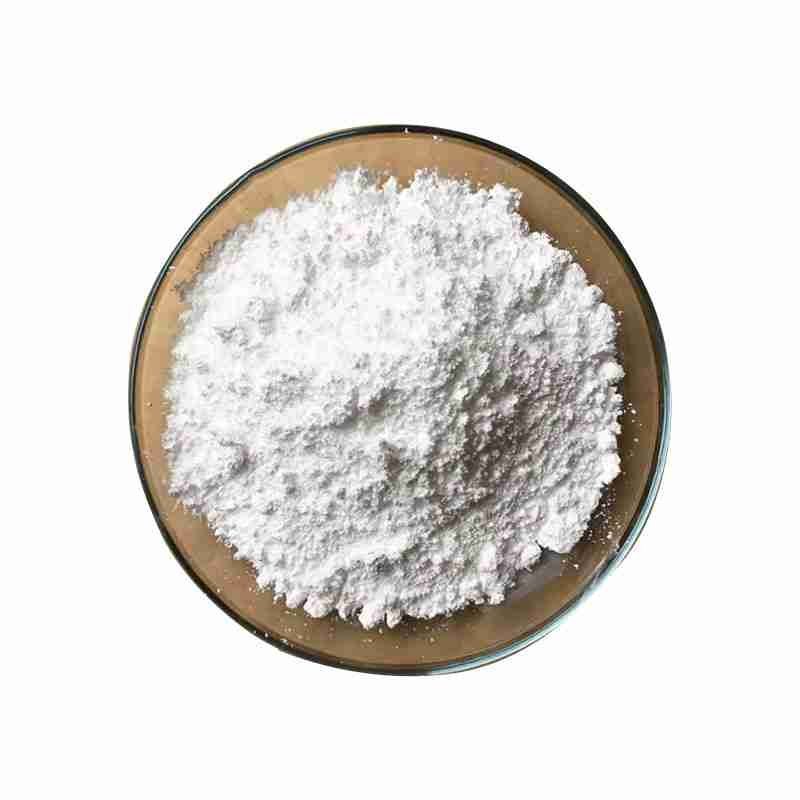
form Powder
color White to Off-white
optical activity [??]20/D +25??, c = 10 in H2O
Water Solubility 10 g/100 mL
Merck 5342
BRN 95054
LogP -3.848 (est)
CAS DataBase Reference 96-82-2(CAS DataBase Reference)
Safety Information
Hazard Codes Xi
Risk Statements 36/37/38
Safety Statements 24/25-36-26
WGK Germany 1
HS Code 29400000
Related Products
Hydroxytyrosol CAS#10597-60-1
Daily Chemicals

Hydroxytyrosol CAS#10597-60-1

Hydroxytyrosol, a potent antioxidant polyphenol derived from olives, is celebrated for its health-promoting properties. Highly valued in the nutraceutical, cosmetic, and pharmaceutical sectors, it contributes to the development of products that support well-being and skin health.

View Details →
Petrolatum CAS# 8009-03-8
Daily Chemicals

Petrolatum CAS# 8009-03-8

Petrolatum(Vaseline) is a petroleum grease made by mixing residual wax paste with lubricating oil and then refining it. It is an important lubricant for medicine, daily chemicals, fine chemical raw materials and precision instruments. my country??s petroleum jelly products are mainly concentrated on medical petroleum jelly, which is divided into two types: medical white petroleum jelly and medical yellow petroleum jelly. Medical petroleum jelly is mainly used to prepare ointments, skin protection ointments and cosmetic raw materials. It can also be used as anti-rust lubricating materials for medical equipment and precision instruments. White or slightly yellow homogeneous paste, almost odorless and tasteless, is a mixture of liquid and solid paraffin hydrocarbons. The relative density is 0.815~0.830, the viscosity is 0.01~0.02Pa??s (100??), the flash point is greater than 190?? (open type), and the dropping point is about 37~54??. Easily soluble in ether, petroleum ether, various fatty oils, benzene, carbon disulfide, chloroform and turpentine, insoluble in ethanol and almost insoluble in water. It becomes a transparent liquid when heated and can fluoresce in the dark after being irradiated with ultraviolet rays.

View Details →
Isopropyl myristate CAS#110-27-0
Daily Chemicals

Isopropyl myristate CAS#110-27-0

Isopropyl myristate (IPM) is an ester-based compound commonly utilized as an emollient and solvent in the cosmetic and personal care industry. Derived from myristic acid and isopropanol, IPM possesses a lightweight, non-greasy texture that allows for easy absorption and spreadability on the skin. Chemically, it is represented by the formula C18H36O2, and it is known for its ability to dissolve a wide range of lipophilic (fat-soluble) ingredients, making it an ideal carrier for fragrances, vitamins, and other active components in formulations. IPM is also valued for its emollient properties, which help to soften and smooth the skin without leaving a residue. This ester is non-comedogenic, meaning it does not clog pores, and is suitable for various skin types, including sensitive and acne-prone skin. Its stability and compatibility with other ingredients make it a versatile component in the creation of lotions, creams, makeup products, and sunscreens. In summary, isopropyl myristate is a beneficial ingredient in skincare and cosmetic products due to its solubilizing capabilities, emollience, and non-comedogenic nature, offering a smooth application and enhancing the sensory experience without compromising skin health.

View Details →
EC 3.4.21.14 CAS#9014-01-1
Daily Chemicals

EC 3.4.21.14 CAS#9014-01-1

EC 3.4.21.14, previously classified, now redirects to EC 3.4.21.67, identifying endopeptidase So. This serine endopeptidase is integral in the hydrolysis of peptide bonds, a critical function in biological systems. Its applications extend across research and development in the pharmaceutical and biotechnological industries.

View Details →
Ready to Order?

Get Free Samples & Full
Certification Package Today

No minimum order for samples. COA, MSDS, FDA/EU certificates and third-party lab reports delivered with every sample. Technical team responds within 24 hours.