
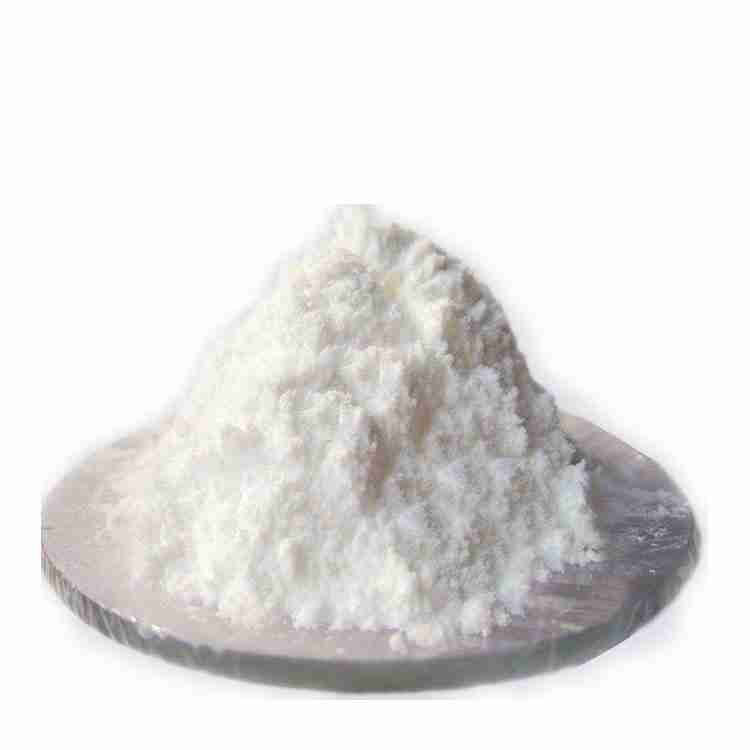
Lauramidopropyl betaine CAS#4292-10-8

Lauramidopropyl betaine is a mild, biodegradable surfactant commonly used in personal care products and cleaning formulations. It is derived from coconut oil and is known for its foaming and wetting properties, making it ideal for creating rich lathers. This ingredient is particularly favored for its gentleness on the skin and its ability to cleanse without causing irritation, making it suitable for sensitive skin types. It also contributes to the product's viscosity and stability.

Lauramidopropyl betaine CAS#4292-10-8
In Stock
FDA EU Reg. ISO 9001 HACCP Halal Kosher GMP

Technical Specifications

Product Name Lauramidopropyl betaine CAS#4292-10-8

Full COA, MSDS, FDA/EU compliance documentation and third-party lab reports available upon request.

Product Description

Lauramidopropyl betaine is a mild, biodegradable surfactant commonly used in personal care products and cleaning formulations. It is derived from coconut oil and is known for its foaming and wetting properties, making it ideal for creating rich lathers. This ingredient is particularly favored for its gentleness on the skin and its ability to cleanse without causing irritation, making it suitable for sensitive skin types. It also contributes to the product’s viscosity and stability.

Description

Lauramidopropyl betaine Chemical Properties
Melting point >128??C (dec.)
density 1.15[at 20??]
vapor pressure 0.31Pa at 20??
storage temp. Hygroscopic, -20??C Freezer, Under inert atmosphere
solubility Chloroform (Slightly), Methanol (Slightly)
form Solid
color White to Off-White
Water Solubility 250mg/L at 20??
Stability: Hygroscopic
LogP 3.54 at 20??
EPA Substance Registry System 1-Propanaminium, N-(carboxymethyl)-N,N-dimethyl-3-[(1-oxododecyl)amino]-, inner salt (4292-10-8)
Safety Information
MSDS Information
Lauramidopropyl betaine Usage And Synthesis
Description Lauramidopropyl betaine is a new type of special amphoteric surfactant, which belongs to the same series as lauramidopropyl betaine, and is a modified derivative of alkyl betaine. Lauramidopropyl betaine has the characteristics of temperature resistance, acid and alkali resistance, good salt resistance, wide isoelectric point and strong viscoelasticity, etc. It is widely used in oil field oil repelling, leather, daily chemical industry and other fields. As a good viscoelastic surfactant applied to the substrate acidification of oilfield, it can effectively reduce the oil/water interfacial tension and improve the recovery rate of tertiary oil recovery. Also it can be used as conditioning agent, wetting agent, bactericide, antistatic agent, emulsifier, thickener and in self-steering acid system for carbonate acidification.
Uses Lauroylamide Propylbetaine is used cosmetic and hair compositions of enhanced viscosity and clarity.
Flammability and Explosibility Not classified
Toxicology Lauramidopropyl betaine (50% component in cocamidopropyl betaine – as a model for cocamidopropyl betaine) is poorly absorbed from the intestinal tract and through the skin. Rinsing the skin after 10 minutes of contact reduces the absorption even further. Following oral or dermal exposure, there is metabolism of the absorbed material, as indicated by the appearance of a more polar compound in the urine and by the liberation of?14CO2.
Related Products
Patchouli Oil CAS# 8014-09-3
Daily Chemicals

Patchouli Oil CAS# 8014-09-3

Pogostemon cablin (Blanco) Benth Made from dried leaves. It is a viscous liquid ranging from reddish brown to greenish brown, with a unique, slightly camphor like woody fragrance.The patchouli shrub is mainly planted in Indonesia. It grows up to 1 meter, but when harvested, it will be cut to 10-15 centimeters. It is best to extract oil from sun dried leaves, with a yield of about 2%.The three terpenoids found in patchouli oil, namely caryophyllene, patchouli alcohol or patchouli alcohol, and nopachenol, are the typical sources of patchouli fragrance. Thin layer chromatography and high performance liquid chromatography are used to identify potential chemical markers for evaluating the quality of the Chinese herbal medicine ingredient ??patchouli herb?? (aboveground part of patchouli). In addition to the reported patchouli alcohol and 2-hydroxy-6-methyl-3- (4-methylpentanoyl) -4-pyranone, three phenylethane compounds (acteoside, isoacteoside, and crenatoside) were also isolated from this plant material for the first time.

View Details →
Coconut oil monoethanolamide CAS#68140-00-1
Daily Chemicals

Coconut oil monoethanolamide CAS#68140-00-1

Coconut Oil Monoethanolamide is a high-performance emulsifier derived from natural coconut oil. It is a key component in personal care and cosmetic formulations, providing excellent emulsifying properties and improving product texture. With its natural origin and superior performance, it is the preferred choice for creating stable and high-quality products.

View Details →
Coconut oil monoethanolamide CAS#68140-00-1
Daily Chemicals

Coconut oil monoethanolamide CAS#68140-00-1

Coconut Oil Monoethanolamide is a high-performance emulsifier derived from natural coconut oil. It is a key component in personal care and cosmetic formulations, providing excellent emulsifying properties and improving product texture. With its natural origin and superior performance, it is the preferred choice for creating stable and high-quality products.

View Details →
Climbazole CAS#38083-17-9
Daily Chemicals

Climbazole CAS#38083-17-9

Climbazole is an efficacious antifungal agent widely utilized in pharmaceutical formulations for treating seborrheic dermatitis and dandruff. Its targeted action against fungal proliferation makes it an essential component in dermatological care products.

View Details →
Ready to Order?

Get Free Samples & Full
Certification Package Today

No minimum order for samples. COA, MSDS, FDA/EU certificates and third-party lab reports delivered with every sample. Technical team responds within 24 hours.