Patchouli Oil CAS# 8014-09-3

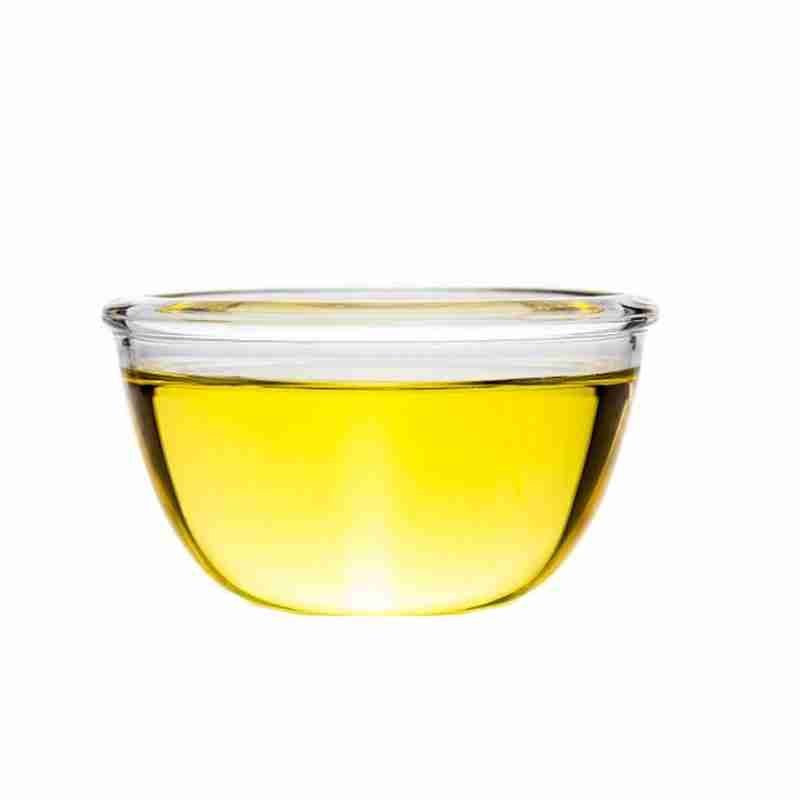
Pogostemon cablin (Blanco) Benth Made from dried leaves. It is a viscous liquid ranging from reddish brown to greenish brown, with a unique, slightly camphor like woody fragrance.The patchouli shrub is mainly planted in Indonesia. It grows up to 1 meter, but when harvested, it will be cut to 10-15 centimeters. It is best to extract oil from sun dried leaves, with a yield of about 2%.The three terpenoids found in patchouli oil, namely caryophyllene, patchouli alcohol or patchouli alcohol, and nopachenol, are the typical sources of patchouli fragrance. Thin layer chromatography and high performance liquid chromatography are used to identify potential chemical markers for evaluating the quality of the Chinese herbal medicine ingredient ??patchouli herb?? (aboveground part of patchouli). In addition to the reported patchouli alcohol and 2-hydroxy-6-methyl-3- (4-methylpentanoyl) -4-pyranone, three phenylethane compounds (acteoside, isoacteoside, and crenatoside) were also isolated from this plant material for the first time.

Patchouli Oil CAS# 8014-09-3
In Stock
FDA EU Reg. ISO 9001 HACCP Halal Kosher GMP

Technical Specifications

Product Name Patchouli Oil CAS# 8014-09-3

Full COA, MSDS, FDA/EU compliance documentation and third-party lab reports available upon request.

Product Description

Pogostemon cablin (Blanco) Benth Made from dried leaves. It is a viscous liquid ranging from reddish brown to greenish brown, with a unique, slightly camphor like woody fragrance.The patchouli shrub is mainly planted in Indonesia. It grows up to 1 meter, but when harvested, it will be cut to 10-15 centimeters. It is best to extract oil from sun dried leaves, with a yield of about 2%.The three terpenoids found in patchouli oil, namely caryophyllene, patchouli alcohol or patchouli alcohol, and nopachenol, are the typical sources of patchouli fragrance. Thin layer chromatography and high performance liquid chromatography are used to identify potential chemical markers for evaluating the quality of the Chinese herbal medicine ingredient ??patchouli herb?? (aboveground part of patchouli). In addition to the reported patchouli alcohol and 2-hydroxy-6-methyl-3- (4-methylpentanoyl) -4-pyranone, three phenylethane compounds (acteoside, isoacteoside, and crenatoside) were also isolated from this plant material for the first time.

Description

Patchouli Oil CAS# 8014-09-3

Patchouli oil Basic information
Chemical constituents?pharmacology
Product Name: Patchouli oil
Synonyms: FEMA 2838;PATCHOULI;PATCHOULY OIL;OIL, PATCHOULY;OIL OF PATCHOULI;OIL OF PATCHOULY;Oils,patchouli;Patchoulioildistilled
CAS: 8014-093
MF:
MW: 0
EINECS: 282-493-4
Product Categories:
Mol File: Mol File
Patchouli oil Chemical Properties
Boiling point 287???C(lit.)
density 0.963?g/mL?at 25???C(lit.)
FEMA 2838 | PATCHOULY OIL
refractive index n20/D?1.509(lit.)
Fp 230???F
Odor at 100.00 %. sweet herbal spicy woody fruity
Odor Type woody
CAS DataBase Reference 8014-09-3
EPA Substance Registry System Oils, patchouli (8014-09-3)
Safety Information
WGK Germany 3
RTECS RW7126400
Toxicity LD50 orl-rat: >5 g/kg FCTOD7 20,791,82
Related Products
N,N-Diethyl-m-toluamide CAS#134-62-3
Daily Chemicals

N,N-Diethyl-m-toluamide CAS#134-62-3

N,N-Diethyl-m-toluamide, commonly known as DEET, is a widely recognized synthetic compound that serves as the active ingredient in numerous insect repellent products. DEET is characterized by its efficacy in deterring and repelling a variety of insects, including mosquitoes, ticks, and flies, which are known vectors for diseases such as malaria, Lyme disease, and Zika virus. Chemically, DEET is an amide with the molecular formula C12H19NO. It was first developed in 1946 and has since become the benchmark against which other insect repellents are measured. DEET works by targeting the olfactory receptors of insects, masking the scent of humans and animals, which are typically attractive to these pests. This compound is valued for its long-lasting protection and stability under various environmental conditions. It is available in various formulations, including sprays, lotions, and creams, and can be applied topically to skin or clothing. DEET is also known for its compatibility with other active ingredients, allowing for the development of multi-purpose products. In summary, DEET is a reliable and effective insect repellent, widely used for its ability to provide durable protection against disease-carrying insects. Its chemical properties and formulation flexibility make it a staple in the field of personal insect protection.

View Details →
Acetyl Tetrapeptide-5 CAS# 820959-17-9
Daily Chemicals

Acetyl Tetrapeptide-5 CAS# 820959-17-9

Acetyl Tetrapeptide-5 is a white to cream coloured powder. The active ingredient is used to treat lachrymal sacs and dark circles under the eyes. It stimulates cell metabolism, improves skin elasticity, reduces puffiness and water retention in the eye area and makes the skin supple.Acetyl tetrapeptide-5 inhibits collagen glycation avoiding skin losing elasticity and subsequent eyebags formation . Acetyl tetrapeptide-5 prevents liquid accumulation in eyebags . Acetyl tetrapeptide-5 shows a slight lightening effect which decreases dark circles under the eyes Use level: 0.01 %, maximum 0.1 % (water soluble)

View Details →
Hydroxyethyl Cellulose CAS# 9004-62-0
Daily Chemicals

Hydroxyethyl Cellulose CAS# 9004-62-0

Hydroxyethyl cellulose is a commonly used cellulose ether organic water-based ink thickener. It is a water-soluble non-ionic compound. It has good thickening ability for water and can be degraded by oxygen, acid and enzyme. It can be cross-linked by Cu2+ under chemical conditions. It is stable to heat, does not gel when heated, does not precipitate under acidic conditions, and has good film-forming properties. Its aqueous solution can be made into a transparent film, which can be formed by the interaction of alkaline cellulose and ethylene oxide.

View Details →
Hydrocoumarin CAS# 119-84-6
Daily Chemicals

Hydrocoumarin CAS# 119-84-6

Dihydrocoumarin is also known as 1,2-benzodihydropyranone, Tonkamel, and Melilotine. Natural products exist in Melilotus officinalis. It has a coumarin-like aroma at room temperature and a nitrobenzene smell at high temperatures. It has a spicy taste. It is a colorless or light yellow viscous liquid, or leaf-shaped crystals. Relative molecular weight 148.17. Relative density 1.169 (18??C). Melting point 25??C. Boiling point 272??C, 145??C (2.400??103Pa). Refractive index 1.5563. Flash point 130??C. It is slightly soluble in water, soluble in ethanol and ether, and easily soluble in chloroform. Vapor irritates the skin, eyes and respiratory tract. The oral LD50 of rats is 1460mg/kg.

View Details →
Ready to Order?

Get Free Samples & Full
Certification Package Today

No minimum order for samples. COA, MSDS, FDA/EU certificates and third-party lab reports delivered with every sample. Technical team responds within 24 hours.