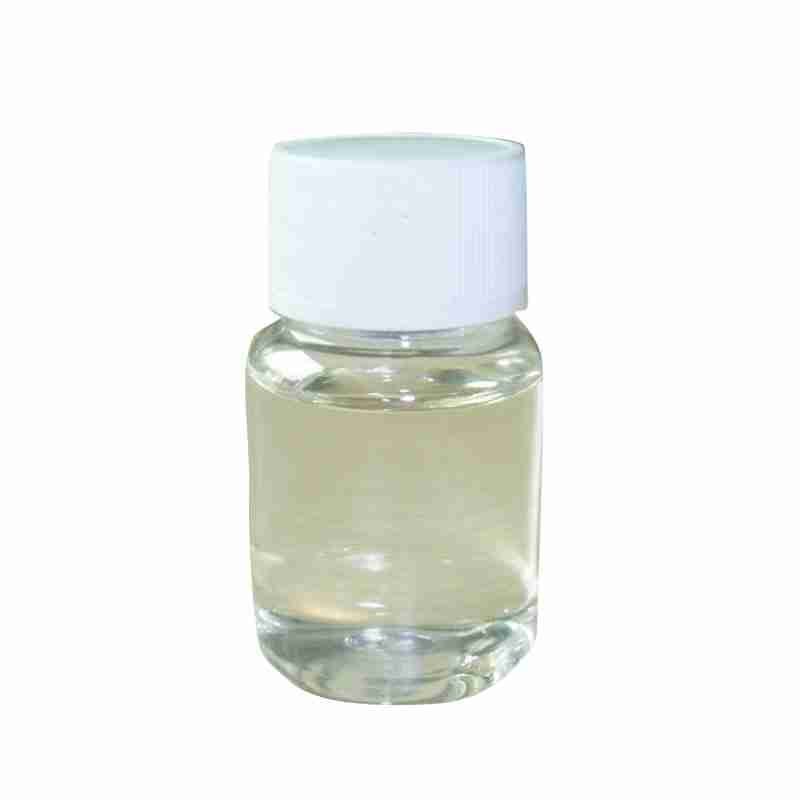
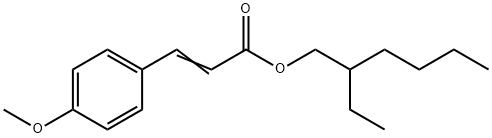
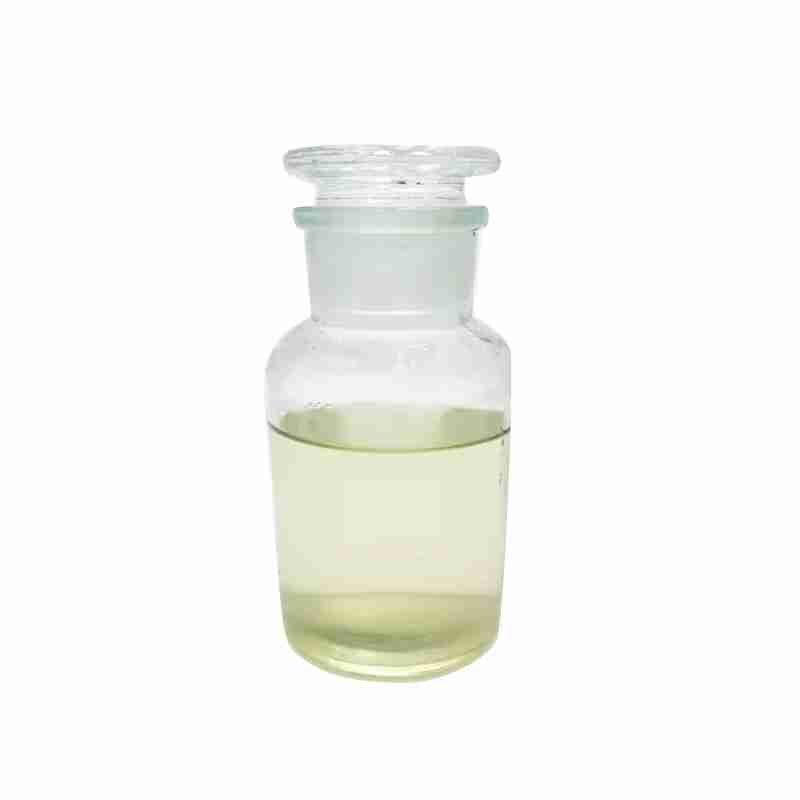
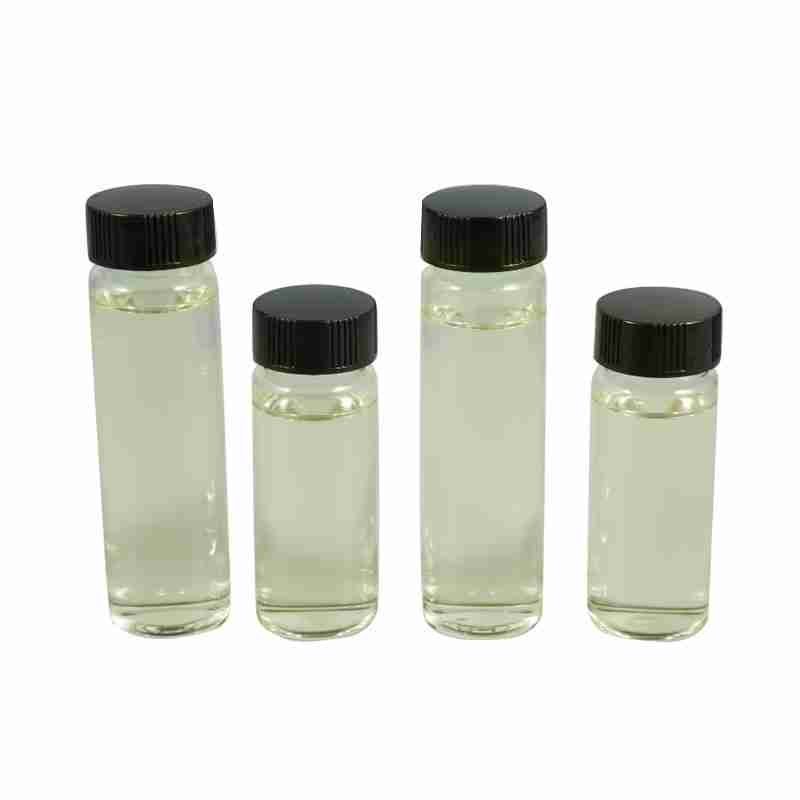
Octyl 4-methoxycinnamate CAS#5466-77-3

Octyl 4-methoxycinnamate, scientifically known as 2-Ethylhexyl 4-Methoxycinnamate, is a highly effective organic UV filter commonly used in the formulation of sunscreens and cosmetic products. This compound is renowned for its ability to absorb ultraviolet B (UVB) radiation, providing a reliable defense against the sun's harmful effects on the skin. Characterized by its chemical formula C19H28O3, Octyl 4-methoxycinnamate is a liquid ester that is readily soluble in organic solvents. It is valued for its photostability, which means it maintains its protective properties even after prolonged exposure to sunlight. This feature makes it an ideal ingredient for products designed to offer long-lasting sun protection. In addition to its UVB absorption capabilities, Octyl 4-methoxycinnamate is also appreciated for its compatibility with other UV filters, allowing for the creation of broad-spectrum sunscreens. It contributes to the development of formulations that are non-greasy and cosmetically elegant, suitable for a variety of skin types.

As a key component in sun care products, Octyl 4-methoxycinnamate supports the skin's health by preventing sunburn, reducing the risk of skin cancer, and delaying the signs of photoaging. Its safety profile and efficacy make it a preferred choice in the personal care and dermatological industries for sun protection solutions.

Octyl 4-methoxycinnamate CAS#5466-77-3
In Stock
FDA EU Reg. ISO 9001 HACCP Halal Kosher GMP

Technical Specifications

Product Name Octyl 4-methoxycinnamate CAS#5466-77-3

Full COA, MSDS, FDA/EU compliance documentation and third-party lab reports available upon request.

Product Description

Octyl 4-methoxycinnamate, scientifically known as 2-Ethylhexyl 4-Methoxycinnamate, is a highly effective organic UV filter commonly used in the formulation of sunscreens and cosmetic products. This compound is renowned for its ability to absorb ultraviolet B (UVB) radiation, providing a reliable defense against the sun’s harmful effects on the skin.

Characterized by its chemical formula C19H28O3, Octyl 4-methoxycinnamate is a liquid ester that is readily soluble in organic solvents. It is valued for its photostability, which means it maintains its protective properties even after prolonged exposure to sunlight. This feature makes it an ideal ingredient for products designed to offer long-lasting sun protection.

In addition to its UVB absorption capabilities, Octyl 4-methoxycinnamate is also appreciated for its compatibility with other UV filters, allowing for the creation of broad-spectrum sunscreens. It contributes to the development of formulations that are non-greasy and cosmetically elegant, suitable for a variety of skin types.

As a key component in sun care products, Octyl 4-methoxycinnamate supports the skin’s health by preventing sunburn, reducing the risk of skin cancer, and delaying the signs of photoaging. Its safety profile and efficacy make it a preferred choice in the personal care and dermatological industries for sun protection solutions.

Description

Octyl 4-methoxycinnamate Chemical Properties
Melting point <-25??
Boiling point 198-200??C
density 1.009
refractive index 1.543-1.547
Fp 193??C
storage temp. 2-8??C
solubility Chloroform (Slightly), Methanol (Slightly)
form Liquid
color Clear colorless to yellow
Water Solubility <0.1 g/100 mL at 27 oC
BRN 5946632
Stability: Stable. Incompatible with strong oxidizing agents.
InChIKey YBGZDTIWKVFICR-JLHYYAGUSA-N
LogP 5.921 (est)
CAS DataBase Reference 5466-77-3(CAS DataBase Reference)
NIST Chemistry Reference 2-Propenoic acid, 3-(4-methoxyphenyl)-, 2-ethylhexyl ester(5466-77-3)
EPA Substance Registry System 2-Ethylhexyl p-methoxycinnamate (5466-77-3)
Safety Information
Safety Statements 24/25
WGK Germany nwg
RTECS UD3392732
HS Code 29189090
Hazardous Substances Data 5466-77-3(Hazardous Substances Data)
Related Products
Ethylhexyl Palmitate CAS#29806-73-3
Daily Chemicals

Ethylhexyl Palmitate CAS#29806-73-3

Ethylhexyl Palmitate is a skin-conditioning ester, derived from ethylhexanol and palmitic acid, that imparts moisturization and a smooth texture to cosmetic and personal care formulations. It is valued for its emollient properties, enhancing the sensory experience of skin care products.

View Details →
Tetraacetylethylenediamine CAS#10543-57-4
Daily Chemicals

Tetraacetylethylenediamine CAS#10543-57-4

Tetraacetylethylenediamine is a fully acetylated derivative of ethylenediamine, offering a high reactivity as an intermediate in organic synthesis. Its unique structure makes it a critical component in the production of specialty chemicals and pharmaceuticals, ensuring a wide range of applications in the chemical industry.

View Details →
Idebenone CAS 58186-27-9
Daily Chemicals

Idebenone CAS 58186-27-9

Idebenone is an organic compound with the chemical name: 6-(10-hydroxydecyl)-2,3-dimethoxy-5-methyl-1,4-benzoquinone. It is a structural analogue of coenzyme Q10 and is developed by Takeda Pharmaceuticals as a drug for the treatment of cognitive diseases such as Alzheimer??s disease. Idebenone has an activating effect on mitochondrial function, improves brain metabolism and brain dysfunction, and can increase the utilization rate of glucose in the brain and promote the generation of ATP; it improves the metabolism of the neurotransmitter 5-hydroxytryptamine in the brain and has a strong antioxidant and free radical scavenging effect. In clinical practice, it is mainly used to treat many central nervous system degenerative diseases related to oxidative stress, such as Parkinson??s disease, Alzheimer??s disease, multi-infarct dementia, local cerebral anemia and brain failure, etc. It is also used to treat Friedreich??s ataxia. It can also be used in cosmetic formulas, with cosmetic efficacy such as scavenging free radicals, inhibiting lipid peroxidation, inhibiting inflammation, inhibiting DNA damage, light protection, and reducing pigmentation.

View Details →
Vitamin A Palmitate CAS# 79-81-2
Daily Chemicals

Vitamin A Palmitate CAS# 79-81-2

Vitamin A ester derivatives mainly refer to its alkyl acid esters, such as vitamin A acetate, vitamin A palmitate, etc. Due to the instability of vitamin A, commercial vitamin A is available in the form of its ester. However, vitamin A acetate easily absorbs water and gets damp, while vitamin A palmitate is more stable than vitamin A acetate. Vitamin A, commonly known as retinol, is an unsaturated monohydric alcohol with an ester ring. It is a yellow flaky crystal or crystalline powder. It is a fat-soluble vitamin. It is insoluble in water and glycerol, and soluble in alcohol, ether, hydrocarbon, Most organic solvents such as halogenated hydrocarbons. Retinol palmitate is an ester of retinol combined with palmitic acid, a saturated fatty acid that is the main component of palm oil. Retinyl palmitate is easily absorbed by the skin and then converted into retinol. It is a yellow or yellow-red solid or oily substance.

View Details →
Ready to Order?

Get Free Samples & Full
Certification Package Today

No minimum order for samples. COA, MSDS, FDA/EU certificates and third-party lab reports delivered with every sample. Technical team responds within 24 hours.