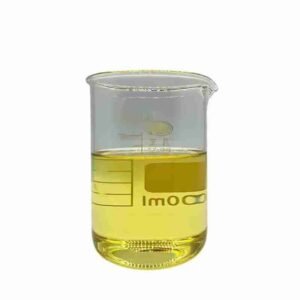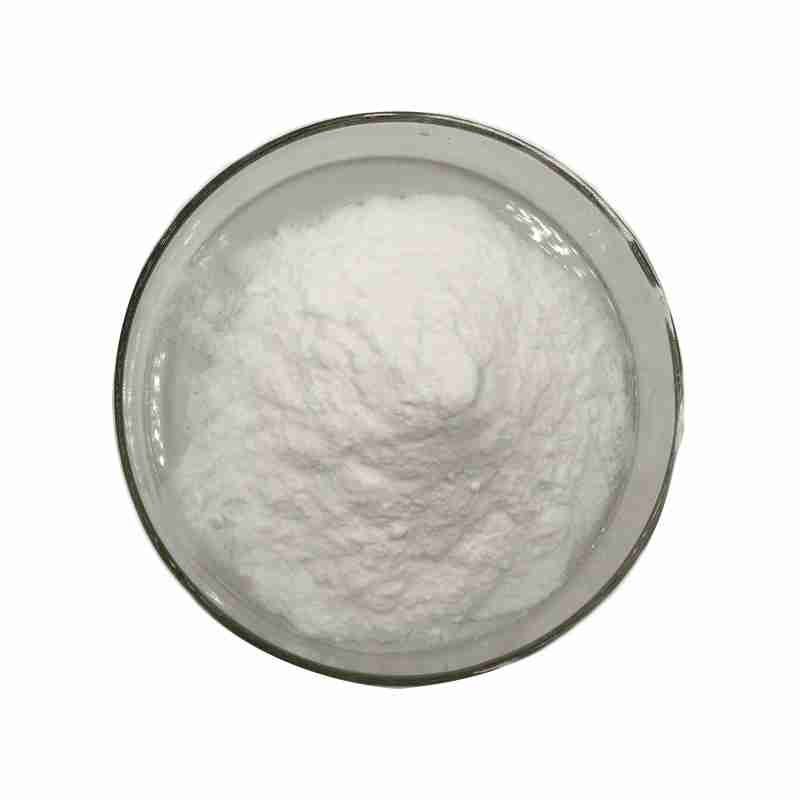
Ammonium sulfamate CAS#7773-06-0

Ammonium sulfamate is a white crystalline compound with the chemical formula (NH4)2SO3. It is a versatile chemical used in various applications, including as a flame retardant, a fertilizer ingredient, and a chemical intermediate. In the agricultural sector, it serves as a source of nitrogen, promoting plant growth. As a flame retardant, it is effective in reducing the flammability of materials. Additionally, it is used in the synthesis of other chemicals due to its reactivity with amines and other organic compounds. Its properties make it a valuable component in a range of industrial processes.

Ammonium sulfamate CAS#7773-06-0
In Stock
FDA EU Reg. ISO 9001 HACCP Halal Kosher GMP

Technical Specifications

Product Name Ammonium sulfamate CAS#7773-06-0

Full COA, MSDS, FDA/EU compliance documentation and third-party lab reports available upon request.

Product Description

Ammonium sulfamate is a white crystalline compound with the chemical formula (NH4)2SO3. It is a versatile chemical used in various applications, including as a flame retardant, a fertilizer ingredient, and a chemical intermediate. In the agricultural sector, it serves as a source of nitrogen, promoting plant growth. As a flame retardant, it is effective in reducing the flammability of materials. Additionally, it is used in the synthesis of other chemicals due to its reactivity with amines and other organic compounds. Its properties make it a valuable component in a range of industrial processes.

Description

Ammonium sulfamate Chemical Properties
Melting point 131-135 ??C (lit.)
Boiling point 160??C
density 1.769
vapor pressure 0Pa at 20??
Fp 160??C
storage temp. no restrictions.
solubility H2O: 1?M at?20???C, clear, colorless
form Crystalline Powder
color White
PH 5.0-6.0 (50g/l, H2O, 20??)
Odor Slight amine odor
PH Range 4.5 – 6.0
Water Solubility 1950 g/L (20 oC)
Sensitive Air & Moisture Sensitive
Merck 14,554
Exposure limits ACGIH: TWA 10 mg/m3
OSHA: TWA 15 mg/m3; TWA 5 mg/m3
NIOSH: IDLH 1500 mg/m3; TWA 10 mg/m3; TWA 5 mg/m3
Stability: Stable. Incompatible with strong acids, strong oxidizing agents.
InChIKey GEHMBYLTCISYNY-UHFFFAOYSA-N
LogP -4.34 at 20??
CAS DataBase Reference 7773-06-0(CAS DataBase Reference)
NIST Chemistry Reference Ammonium sulfamate(7773-06-0)
EPA Substance Registry System Ammonium sulfamate (7773-06-0)
Safety Information
Hazard Codes Xn,N
Risk Statements 22-50
Safety Statements 24/25-22-61
OEB B
OEL TWA: 10 mg/m3 (total)
WGK Germany 1
RTECS WO6125000
F 3-10
TSCA Yes
HS Code 29222100
Hazardous Substances Data 7773-06-0(Hazardous Substances Data)
Toxicity LD50 orally in rats: 3.0 g/kg (Ambrose)
IDLA 1,500 mg/m3
Related Products
Lactobionic acid CAS#96-82-2
Daily Chemicals

Lactobionic acid CAS#96-82-2

Lactobionic acid is a naturally occurring, high molecular weight sugar acid derived from lactose, known for its multifaceted applications in the pharmaceutical and cosmetic industries. With the chemical formula C18H32O12, it is a reducing sugar that forms a component of the milk sugar lactose. This water-soluble compound is celebrated for its antioxidant and chelating properties, which make it an effective ingredient in skincare products, particularly for its ability to protect the skin from oxidative stress and environmental aggressors. Lactobionic acid is also recognized for its gentle exfoliating action, as it can help to remove dead skin cells and promote cell renewal without causing irritation. Moreover, its acidic nature contributes to its use as a pH adjuster in formulations, helping to maintain the skin's natural acid mantle. Lactobionic acid is also valued for its ability to complex with metal ions, providing stability to products and enhancing the performance of other active ingredients. In summary, lactobionic acid is a versatile ingredient in skincare, offering antioxidant benefits, promoting skin renewal, and providing a stable platform for product formulation. Its gentle yet effective properties make it suitable for a wide range of skin types and applications.

View Details →
3-methyl-4-propan-2-ylphenol CAS#3228-02-2
Daily Chemicals

3-methyl-4-propan-2-ylphenol CAS#3228-02-2

3-Methyl-4-propan-2-ylphenol is a key aromatic intermediate with a distinctive methyl and isopropyl substitution pattern on a phenolic structure. It plays a crucial role in the production of specialty chemicals and pharmaceuticals, offering a robust platform for the development of innovative applications.

View Details →
Dioctyl Sebacate CAS# 122-62-3
Daily Chemicals

Dioctyl Sebacate CAS# 122-62-3

Dioctyl sebacate, also known as bis-2-ethylhexyl sebacate, referred to as DOS, is produced by the esterification reaction of sebacic acid and 2-ethylhexanol. Suitable for polyvinyl chloride, vinyl chloride copolymer, nitrocellulose, ethyl cellulose and synthetic rubber, etc. It has high plasticizing efficiency and low volatility. It has excellent cold resistance, good heat resistance, light resistance and electrical insulation. It also has good lubricity when heated, making the product look and feel good, especially Suitable for making cold-resistant wire and cable materials, artificial leather, films, plates, sheets, etc.  

View Details →
Monostearin CAS#123-94-4
Daily Chemicals

Monostearin CAS#123-94-4

Monostearin is a versatile emulsifier and emollient derived from glycerol and stearic acid. It is instrumental in stabilizing emulsions and enhancing the texture and consistency of a wide range of products in the cosmetics, food, and pharmaceutical sectors.

View Details →
Ready to Order?

Get Free Samples & Full
Certification Package Today

No minimum order for samples. COA, MSDS, FDA/EU certificates and third-party lab reports delivered with every sample. Technical team responds within 24 hours.