
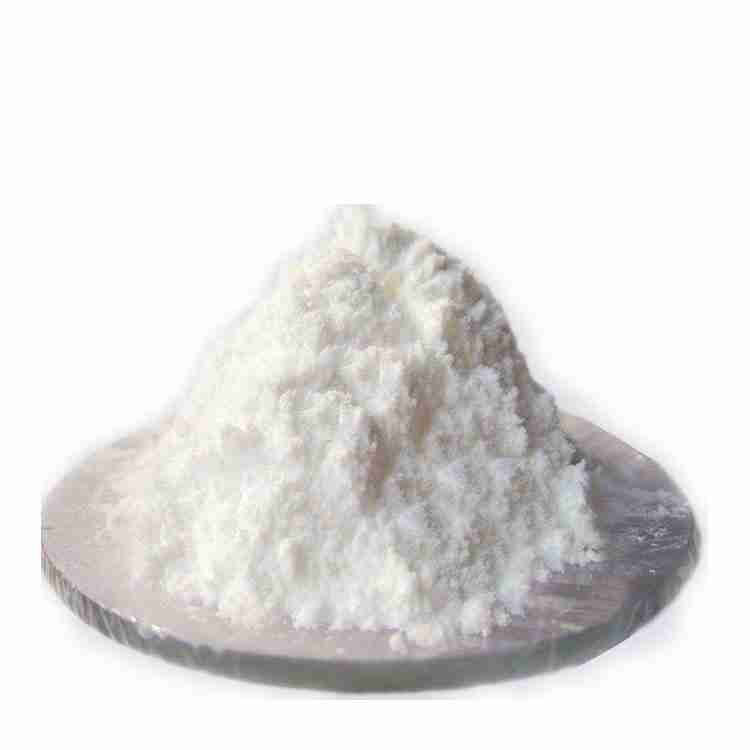
Polyhexamethyleneguanidine hydrochloride CAS#57028-96-3

Polyhexamethylene guanidine hydrochloride, often abbreviated as PHMG-HCl, is a high molecular weight polymeric biguanide compound known for its potent antimicrobial properties. With a chemical structure that features a long chain of methylene groups bridged by guanidine units, PHMG-HCl is effective against a broad spectrum of microorganisms, including bacteria, viruses, and fungi. This hydrochloride salt form of PHMG is highly soluble in water and is commonly used in various applications due to its non-irritant and non-toxic nature to human skin and mucous membranes. It is widely recognized for its ability to form a colorless and odorless solution, making it an ideal choice for use in personal care products, medical disinfectants, and water treatment processes. The versatility of PHMG-HCl lies in its cationic nature, which allows it to bind to negatively charged microbial cell walls, disrupting their integrity and leading to cell death. This mechanism of action contributes to its effectiveness as a preservative and disinfectant. Moreover, its substantivity, or the ability to adhere to surfaces, enhances its long-lasting antimicrobial activity.

In summary, Polyhexamethylene guanidine hydrochloride is a reliable and efficient antimicrobial agent, pivotal in industries where hygiene and cleanliness are paramount, offering a safe and sustainable solution for microbial control.

Polyhexamethyleneguanidine hydrochloride CAS#57028-96-3
In Stock
FDA EU Reg. ISO 9001 HACCP Halal Kosher GMP

Technical Specifications

Product Name Polyhexamethyleneguanidine hydrochloride CAS#57028-96-3

Full COA, MSDS, FDA/EU compliance documentation and third-party lab reports available upon request.

Product Description

Polyhexamethylene guanidine hydrochloride, often abbreviated as PHMG-HCl, is a high molecular weight polymeric biguanide compound known for its potent antimicrobial properties. With a chemical structure that features a long chain of methylene groups bridged by guanidine units, PHMG-HCl is effective against a broad spectrum of microorganisms, including bacteria, viruses, and fungi.

This hydrochloride salt form of PHMG is highly soluble in water and is commonly used in various applications due to its non-irritant and non-toxic nature to human skin and mucous membranes. It is widely recognized for its ability to form a colorless and odorless solution, making it an ideal choice for use in personal care products, medical disinfectants, and water treatment processes.

The versatility of PHMG-HCl lies in its cationic nature, which allows it to bind to negatively charged microbial cell walls, disrupting their integrity and leading to cell death. This mechanism of action contributes to its effectiveness as a preservative and disinfectant. Moreover, its substantivity, or the ability to adhere to surfaces, enhances its long-lasting antimicrobial activity.

In summary, Polyhexamethylene guanidine hydrochloride is a reliable and efficient antimicrobial agent, pivotal in industries where hygiene and cleanliness are paramount, offering a safe and sustainable solution for microbial control.

Description

Polyhexamethyleneguanidine hydrochloride Chemical Properties
Melting point >222??C (sub.)
storage temp. Refrigerator, Under inert atmosphere
solubility DMSO (Soluble, Heated), Water (Slightly)
form Solid
color White to Off-White
CAS DataBase Reference 57028-96-3(CAS DataBase Reference)
Polyhexamethyleneguanidine hydrochloride Usage And Synthesis
Description Polyhexamethylene guanidine?(PHMG) is a?guanidine?derivative that is used as a?biocidal?disinfectant, often in the form of its?salt?polyhexamethylene guanidine phosphate?(PHMG-P).
Uses Polyhexamethyleneguanidine Hydrochloride is an Ophthalmic compound containing Phenylephrine. Polyhexamethyleneguanidine Hydrochloride is an antibacterial agent; used in preparation method of multifuctional flame-retardant Polyester fabric.
Toxicity Preliminary findings indicate that PHMG and its derivatives primarily rely on damaging the?cell membrane?by inhibiting the activity of cellular?dehydrogenases.When PHMG is aerosolized and inhaled, it harms the lungs, causing death of the cells lining the?bronchioles?and widespread damage to?alveoli, along with?bronchiolitis obliterans,an often fatal form of non-reversible obstructive?lung?disease in which the bronchiole are compressed and narrowed by?fibrosis?(scar tissue) and/or?inflammation.
Chemical Properties Colorless to pale yellow solution
Application The polymer structure of polyhexamethyleneguanidine hydrochloride (PHGC) reduces its toxicity. However, the sterilization effect is more excellent, and it has been widely used in various fields such as medical and health institutions, family life, food industry and animal husbandry.
Related Products
Lauryl glucoside CAS#110615-47-9
Daily Chemicals

Lauryl glucoside CAS#110615-47-9

Lauryl Glucoside is an eco-conscious non-ionic surfactant, derived from sustainable lauric acid and glucose. It offers superior mildness and biodegradability, making it an ideal choice for formulating gentle and effective cleaning agents in personal care and household products. Its bio-based nature aligns with the growing demand for green chemistry solutions.

View Details →
Lauramidopropyl betaine CAS#4292-10-8
Daily Chemicals

Lauramidopropyl betaine CAS#4292-10-8

Lauramidopropyl betaine is a mild, biodegradable surfactant commonly used in personal care products and cleaning formulations. It is derived from coconut oil and is known for its foaming and wetting properties, making it ideal for creating rich lathers. This ingredient is particularly favored for its gentleness on the skin and its ability to cleanse without causing irritation, making it suitable for sensitive skin types. It also contributes to the product's viscosity and stability.

View Details →
Isopropyl myristate CAS#110-27-0
Daily Chemicals

Isopropyl myristate CAS#110-27-0

Isopropyl myristate (IPM) is an ester-based compound commonly utilized as an emollient and solvent in the cosmetic and personal care industry. Derived from myristic acid and isopropanol, IPM possesses a lightweight, non-greasy texture that allows for easy absorption and spreadability on the skin. Chemically, it is represented by the formula C18H36O2, and it is known for its ability to dissolve a wide range of lipophilic (fat-soluble) ingredients, making it an ideal carrier for fragrances, vitamins, and other active components in formulations. IPM is also valued for its emollient properties, which help to soften and smooth the skin without leaving a residue. This ester is non-comedogenic, meaning it does not clog pores, and is suitable for various skin types, including sensitive and acne-prone skin. Its stability and compatibility with other ingredients make it a versatile component in the creation of lotions, creams, makeup products, and sunscreens. In summary, isopropyl myristate is a beneficial ingredient in skincare and cosmetic products due to its solubilizing capabilities, emollience, and non-comedogenic nature, offering a smooth application and enhancing the sensory experience without compromising skin health.

View Details →
Arbutin CAS#497-76-7
Daily Chemicals

Arbutin CAS#497-76-7

Arbutin, a derivative of hydroquinone, is a naturally occurring compound extracted primarily from the bearberry plant (Arctostaphylos uva-ursi). It is renowned in the skincare industry for its skin lightening properties, making it a popular ingredient in cosmetic products designed to reduce hyperpigmentation and even out skin tone. Chemically, arbutin is ??-glucosiduronic acid of hydroquinone, with the molecular formula C12H12O7. Its mechanism of action involves the inhibition of tyrosinase, a key enzyme in the melanin biosynthesis pathway. By reducing melanin production, arbutin effectively lightens the skin without the risk of irritation often associated with hydroquinone. Arbutin is valued for its safety profile, as it is considered less irritating and more stable compared to other skin lightening agents. It is also known for its antioxidant properties, which contribute to its skin brightening effects and overall skin health benefits. In summary, arbutin is a reliable and gentle alternative for skin lightening, offering a natural approach to reducing pigmentation issues while promoting a more radiant and even complexion. Its use in skincare formulations is favored for its efficacy and mildness, making it suitable for various skin types.

View Details →
Ready to Order?

Get Free Samples & Full
Certification Package Today

No minimum order for samples. COA, MSDS, FDA/EU certificates and third-party lab reports delivered with every sample. Technical team responds within 24 hours.