Vitamin A Acetate CAS# 127-47-9 Retinyl Acetate

Retinyl acetate (Vitamin A Acetate) is a yellow prismatic crystal, a lipid compound, and its chemical stability is better than vitamin A. This product or its palmitate is often used clinically dissolved in vegetable oil, and is hydrolyzed by enzymes in the body to obtain vitamin A. The vitamin A recorded in the Chinese Pharmacopoeia is actually vitamin A acetate. There are two types of vitamin A alcohol: vitamin A1 alcohol, which is retinol, and vitamin A2 alcohol, which is dehydroretinol. Vitamin A alcohol usually refers to vitamin A1 alcohol. The biological potency of vitamin A2 alcohol is 30-40% of that of vitamin A1 alcohol. Its structure is similar to vitamin A1 alcohol, except that it has one more double bond at the C-3 and C-4 positions of the cyclohexene ring.

Vitamin A Acetate CAS# 127-47-9 Retinyl Acetate
In Stock
FDA EU Reg. ISO 9001 HACCP Halal Kosher GMP

Technical Specifications

Product Name Vitamin A Acetate CAS# 127-47-9 Retinyl Acetate

Full COA, MSDS, FDA/EU compliance documentation and third-party lab reports available upon request.

Product Description

Retinyl acetate (Vitamin A Acetate) is a yellow prismatic crystal, a lipid compound, and its chemical stability is better than vitamin A. This product or its palmitate is often used clinically dissolved in vegetable oil, and is hydrolyzed by enzymes in the body to obtain vitamin A. The vitamin A recorded in the Chinese Pharmacopoeia is actually vitamin A acetate.

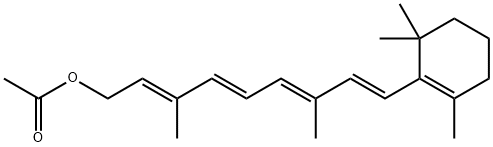
There are two types of vitamin A alcohol: vitamin A1 alcohol, which is retinol, and vitamin A2 alcohol, which is dehydroretinol. Vitamin A alcohol usually refers to vitamin A1 alcohol. The biological potency of vitamin A2 alcohol is 30-40% of that of vitamin A1 alcohol. Its structure is similar to vitamin A1 alcohol, except that it has one more double bond at the C-3 and C-4 positions of the cyclohexene ring.

Description

Vitamin A Acetate CAS #127-47-9 Retinyl Acetate

Retinyl acetate Basic information
Description?Reference
Product Name: Retinyl acetate
Synonyms: RETINYL ACETATE;RETINOL ACETATE, WATER SOLUBLE;VITAMIN A ACETATE, ALL TRANS;VITAMIN A ACETATE 1500;TRANS-RETINOL ACETATE;TRANS-RETINYL ACETATE;VITAMIN-A-ACETATE STAB. BHA/BHT CONC.;RETINOL ACETATE, 100MG, NEAT
CAS: 127-47-9
MF: C22H32O2
MW: 328.49
EINECS: 204-844-2
Product Categories: Vitamin series;Retinoids;Vitamins and derivatives;Vitamin Ingredients;Intermediates & Fine Chemicals;Pharmaceuticals;Inhibitors;127-47-9
Mol File: 127-47-9.mol
Retinyl acetate Structure
Retinyl acetate Chemical Properties
Melting point 57-58???C
Boiling point 406.22??C (rough estimate)
density 1.0474 (rough estimate)
refractive index 1.547-1.555
Fp 14??
storage temp. 2-8??C
solubility absolute ethanol: 25?mg/mL
form solid or viscous liquid
color Yellow powder
Odor Amine like
Water Solubility soluble
Sensitive Light & Air Sensitive & Hygroscopic
Merck 14,10013
BRN 1915439
Stability: Hygroscopic, Light Sensitive
InChIKey QGNJRVVDBSJHIZ-QHLGVNSISA-N
LogP 9.4 at 25??
CAS DataBase Reference 127-47-9(CAS DataBase Reference)
NIST Chemistry Reference Retinol, acetate(127-47-9)
EPA Substance Registry System Retinol acetate (127-47-9)
Related Products
hexyl D-glucoside CAS#54549-24-5
Daily Chemicals

hexyl D-glucoside CAS#54549-24-5

Hexyl D-glucoside is a non-ionic, plant-based surfactant derived from renewable resources such as corn or potato starch. It is recognized for its excellent skin compatibility and mildness, making it a preferred choice for formulations in personal care products, especially those targeting sensitive skin. With its superior solubilizing and foaming capabilities, it enhances the sensory experience of the product without compromising its gentleness. Its eco-friendly profile and biodegradability also align with green chemistry principles, appealing to consumers seeking sustainable product options.

View Details →
Lactobionic acid CAS#96-82-2
Daily Chemicals

Lactobionic acid CAS#96-82-2

Lactobionic acid is a naturally occurring, high molecular weight sugar acid derived from lactose, known for its multifaceted applications in the pharmaceutical and cosmetic industries. With the chemical formula C18H32O12, it is a reducing sugar that forms a component of the milk sugar lactose. This water-soluble compound is celebrated for its antioxidant and chelating properties, which make it an effective ingredient in skincare products, particularly for its ability to protect the skin from oxidative stress and environmental aggressors. Lactobionic acid is also recognized for its gentle exfoliating action, as it can help to remove dead skin cells and promote cell renewal without causing irritation. Moreover, its acidic nature contributes to its use as a pH adjuster in formulations, helping to maintain the skin's natural acid mantle. Lactobionic acid is also valued for its ability to complex with metal ions, providing stability to products and enhancing the performance of other active ingredients. In summary, lactobionic acid is a versatile ingredient in skincare, offering antioxidant benefits, promoting skin renewal, and providing a stable platform for product formulation. Its gentle yet effective properties make it suitable for a wide range of skin types and applications.

View Details →
Octocrylene CAS#6197-30-4
Daily Chemicals

Octocrylene CAS#6197-30-4

Octocrylene is an organic compound widely recognized for its potent UV-filtering properties, making it an essential ingredient in sunscreens and other skincare products designed to protect the skin from harmful ultraviolet radiation. With the chemical name 2-(4-Methylbenzyl)-2H-benzotriazole-5-methyl, octocrylene is a stable and photostable molecule that provides broad-spectrum protection against both UVA and UVB rays. This oil-soluble chemical is valued for its ability to absorb UV radiation effectively, converting it into heat without causing skin irritation or staining clothes. Octocrylene is often used in combination with other UV filters to enhance the sun protection factor (SPF) of formulations, ensuring a balanced and comprehensive defense against sun damage. As a lipophilic compound, octocrylene is compatible with various cosmetic and dermatological formulations, contributing to the development of lightweight, non-greasy sunscreens. Its chemical structure allows for a high degree of safety and efficacy, making it suitable for a wide range of skin types, including sensitive skin. In summary, octocrylene is a reliable and efficient UV filter, pivotal in the formulation of modern sunscreens that offer advanced protection against the sun's harmful effects while maintaining skin comfort and product aesthetics.

View Details →
Ectoine CAS#96702-03-3
Daily Chemicals

Ectoine CAS#96702-03-3

Ectoine is a naturally occurring osmoprotectant, a cyclic amino acid derivative that offers exceptional cell-stabilizing properties. Highly valued in cosmetics and pharmaceuticals, it enhances product efficacy by maintaining cell integrity under various environmental stresses.

View Details →
Ready to Order?

Get Free Samples & Full
Certification Package Today

No minimum order for samples. COA, MSDS, FDA/EU certificates and third-party lab reports delivered with every sample. Technical team responds within 24 hours.