
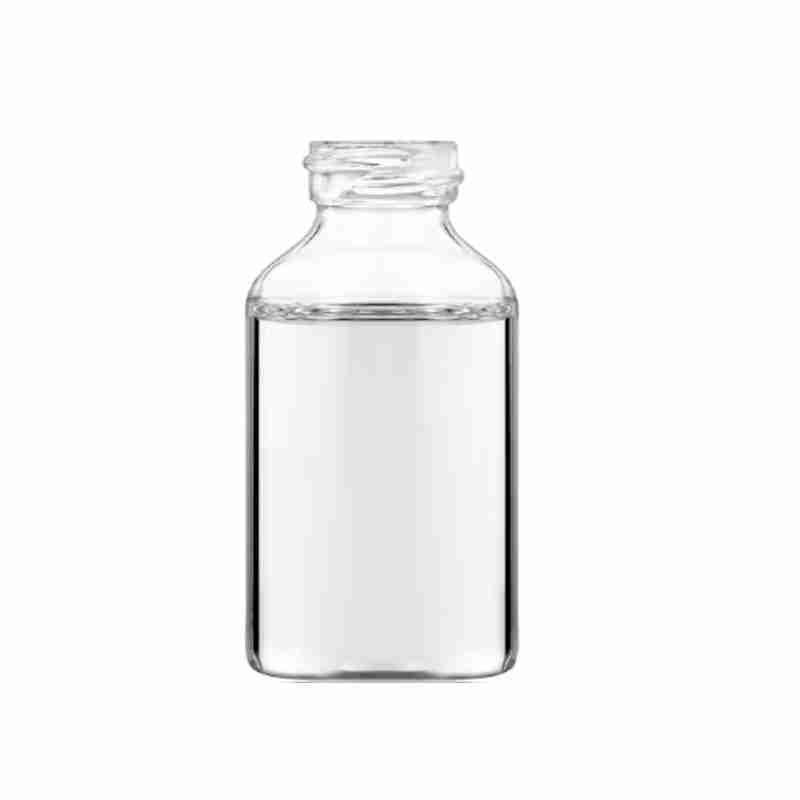
Isopropyl myristate CAS#110-27-0

Isopropyl Myristate is a versatile ester derived from isopropyl alcohol and myristic acid, serving as an emollient and solvent in cosmetics and pharmaceuticals. It enhances product texture and spreadability, ensuring a smooth and comfortable application experience.

Isopropyl myristate CAS#110-27-0
In Stock
FDA EU Reg. ISO 9001 HACCP Halal Kosher GMP

Technical Specifications

Product Name Isopropyl myristate CAS#110-27-0

Full COA, MSDS, FDA/EU compliance documentation and third-party lab reports available upon request.

Product Description

Isopropyl Myristate is a versatile ester derived from isopropyl alcohol and myristic acid, serving as an emollient and solvent in cosmetics and pharmaceuticals. It enhances product texture and spreadability, ensuring a smooth and comfortable application experience.

Description

Isopropyl myristate Chemical Properties
Melting point ~3 ??C (lit.)
Boiling point 193 ??C/20 mmHg (lit.)
density 0.85 g/mL at 25 ??C (lit.)
vapor pressure <1 hPa (20 ??C)
refractive index n20/D 1.434(lit.)
FEMA 3556 | ISOPROPYL MYRISTATE
Fp >230???F
storage temp. 2-8??C
solubility <0.05mg/l
form Liquid
Specific Gravity 0.855 (20/4??)
color Clear
Odor odorless
Water Solubility Miscible with alcohol. Immiscible with water and glycerol.
Merck 14,5215
JECFA Number 311
BRN 1781127
Stability: Stable. Combustible. Incompatible with strong oxidizing agents.
InChIKey AXISYYRBXTVTFY-UHFFFAOYSA-N
LogP 7.71
CAS DataBase Reference 110-27-0(CAS DataBase Reference)
NIST Chemistry Reference Isopropyl Myristate(110-27-0)
EPA Substance Registry System Isopropyl myristate (110-27-0)
Safety Information
Hazard Codes Xi
Risk Statements 36/37/38
Safety Statements 26-36
WGK Germany
RTECS XB8600000
Autoignition Temperature >300 ??C
TSCA Yes
HS Code 29159080
Hazardous Substances Data 110-27-0(Hazardous Substances Data)
Toxicity LD50 orally in Rabbit: > 10000 mg/kg LD50 dermal Rabbit > 5000 mg/kg
Related Products
Ethyl 2-cyano-3,3-diphenylacrylate CAS#5232-99-5
Daily Chemicals

Ethyl 2-cyano-3,3-diphenylacrylate CAS#5232-99-5

Ethyl 2-cyano-3,3-diphenylacrylate is a key synthetic intermediate in the pharmaceutical and agrochemical industries. This compound, with its reactive cyanoacrylate structure, offers unique opportunities for chemical synthesis, providing a robust platform for the development of innovative products.

View Details →
Vitamin A Palmitate CAS# 79-81-2
Daily Chemicals

Vitamin A Palmitate CAS# 79-81-2

Vitamin A ester derivatives mainly refer to its alkyl acid esters, such as vitamin A acetate, vitamin A palmitate, etc. Due to the instability of vitamin A, commercial vitamin A is available in the form of its ester. However, vitamin A acetate easily absorbs water and gets damp, while vitamin A palmitate is more stable than vitamin A acetate. Vitamin A, commonly known as retinol, is an unsaturated monohydric alcohol with an ester ring. It is a yellow flaky crystal or crystalline powder. It is a fat-soluble vitamin. It is insoluble in water and glycerol, and soluble in alcohol, ether, hydrocarbon, Most organic solvents such as halogenated hydrocarbons. Retinol palmitate is an ester of retinol combined with palmitic acid, a saturated fatty acid that is the main component of palm oil. Retinyl palmitate is easily absorbed by the skin and then converted into retinol. It is a yellow or yellow-red solid or oily substance.

View Details →
Arbutin CAS#497-76-7
Daily Chemicals

Arbutin CAS#497-76-7

Arbutin, a derivative of hydroquinone, is a naturally occurring compound extracted primarily from the bearberry plant (Arctostaphylos uva-ursi). It is renowned in the skincare industry for its skin lightening properties, making it a popular ingredient in cosmetic products designed to reduce hyperpigmentation and even out skin tone. Chemically, arbutin is ??-glucosiduronic acid of hydroquinone, with the molecular formula C12H12O7. Its mechanism of action involves the inhibition of tyrosinase, a key enzyme in the melanin biosynthesis pathway. By reducing melanin production, arbutin effectively lightens the skin without the risk of irritation often associated with hydroquinone. Arbutin is valued for its safety profile, as it is considered less irritating and more stable compared to other skin lightening agents. It is also known for its antioxidant properties, which contribute to its skin brightening effects and overall skin health benefits. In summary, arbutin is a reliable and gentle alternative for skin lightening, offering a natural approach to reducing pigmentation issues while promoting a more radiant and even complexion. Its use in skincare formulations is favored for its efficacy and mildness, making it suitable for various skin types.

View Details →
Decyl glucoside CAS#68515-73-1
Daily Chemicals

Decyl glucoside CAS#68515-73-1

Decyl Glucoside is an eco-friendly, non-ionic surfactant derived from renewable resources. Renowned for its mildness and biodegradability, it is ideal for creating gentle, high-performing cleaning agents in personal care and household products. Its sustainable and effective nature makes it a preferred choice for green formulations.

View Details →
Ready to Order?

Get Free Samples & Full
Certification Package Today

No minimum order for samples. COA, MSDS, FDA/EU certificates and third-party lab reports delivered with every sample. Technical team responds within 24 hours.