
Octocrylene CAS#6197-30-4

Octocrylene is an organic compound widely recognized for its potent UV-filtering properties, making it an essential ingredient in sunscreens and other skincare products designed to protect the skin from harmful ultraviolet radiation. With the chemical name 2-(4-Methylbenzyl)-2H-benzotriazole-5-methyl, octocrylene is a stable and photostable molecule that provides broad-spectrum protection against both UVA and UVB rays. This oil-soluble chemical is valued for its ability to absorb UV radiation effectively, converting it into heat without causing skin irritation or staining clothes. Octocrylene is often used in combination with other UV filters to enhance the sun protection factor (SPF) of formulations, ensuring a balanced and comprehensive defense against sun damage. As a lipophilic compound, octocrylene is compatible with various cosmetic and dermatological formulations, contributing to the development of lightweight, non-greasy sunscreens. Its chemical structure allows for a high degree of safety and efficacy, making it suitable for a wide range of skin types, including sensitive skin.

In summary, octocrylene is a reliable and efficient UV filter, pivotal in the formulation of modern sunscreens that offer advanced protection against the sun's harmful effects while maintaining skin comfort and product aesthetics.

Octocrylene CAS#6197-30-4
In Stock
FDA EU Reg. ISO 9001 HACCP Halal Kosher GMP

Technical Specifications

Product Name Octocrylene CAS#6197-30-4

Full COA, MSDS, FDA/EU compliance documentation and third-party lab reports available upon request.

Product Description

Octocrylene is an organic compound widely recognized for its potent UV-filtering properties, making it an essential ingredient in sunscreens and other skincare products designed to protect the skin from harmful ultraviolet radiation. With the chemical name 2-(4-Methylbenzyl)-2H-benzotriazole-5-methyl, octocrylene is a stable and photostable molecule that provides broad-spectrum protection against both UVA and UVB rays.

This oil-soluble chemical is valued for its ability to absorb UV radiation effectively, converting it into heat without causing skin irritation or staining clothes. Octocrylene is often used in combination with other UV filters to enhance the sun protection factor (SPF) of formulations, ensuring a balanced and comprehensive defense against sun damage.

As a lipophilic compound, octocrylene is compatible with various cosmetic and dermatological formulations, contributing to the development of lightweight, non-greasy sunscreens. Its chemical structure allows for a high degree of safety and efficacy, making it suitable for a wide range of skin types, including sensitive skin.

In summary, octocrylene is a reliable and efficient UV filter, pivotal in the formulation of modern sunscreens that offer advanced protection against the sun’s harmful effects while maintaining skin comfort and product aesthetics.

Description

Octocrylene Chemical Properties
Melting point -10 ??C (lit.)
Boiling point 218 ??C/1.5 mmHg (lit.)
density 1.051 g/mL at 25 ??C (lit.)
vapor pressure 0Pa at 25??
refractive index n20/D 1.567(lit.)
Fp >230???F
storage temp. 15-25??C
solubility Chloroform (Slightly), Methanol (Sparingly)
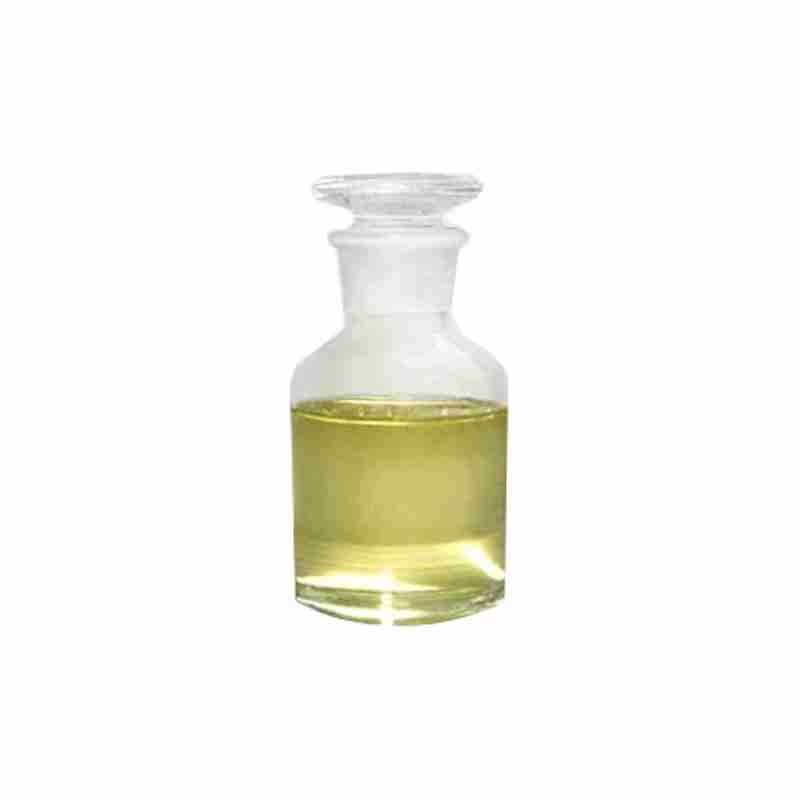
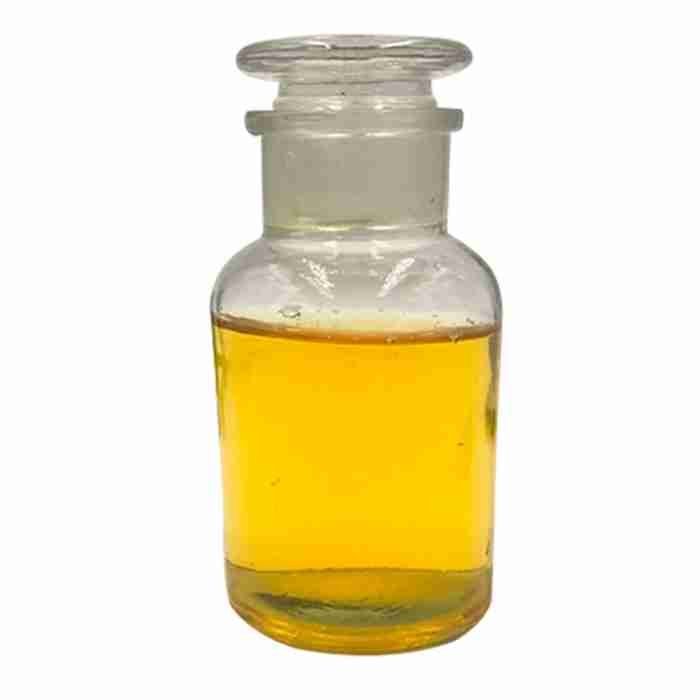
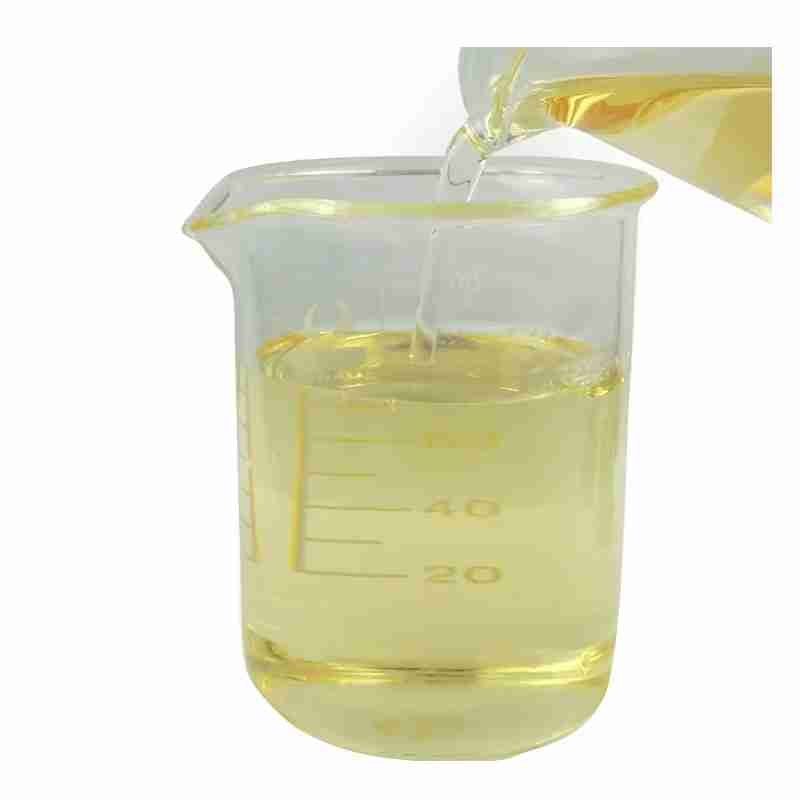
form Oil
color Colourless to Light Yellow
Merck 14,6756
InChIKey FMJSMJQBSVNSBF-UHFFFAOYSA-N
LogP 6.1 at 23??
CAS DataBase Reference 6197-30-4(CAS DataBase Reference)
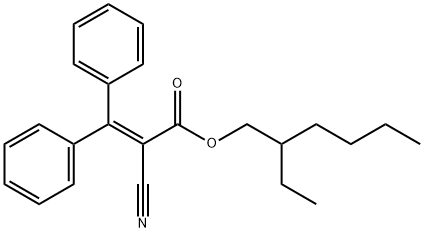
EPA Substance Registry System 2-Ethylhexyl 2-cyano-3,3-diphenylacrylate (6197-30-4)
Absorption uv max: 303 nm
Safety Information
Risk Statements 52
Safety Statements 29/56
WGK Germany 1
RTECS UD3328750
HS Code 29269095
Toxicity LD50 orl-rat: >5 g/kg NTIS** OTS0556792
Related Products
Decyl glucoside CAS#68515-73-1
Daily Chemicals

Decyl glucoside CAS#68515-73-1

Decyl glucoside, scientifically known as ??-D-Glucopyranoside, is a non-ionic surfactant derived from renewable resources, such as glucose and fatty alcohols. It is a biodegradable and mild alternative to traditional surfactants, making it a preferred choice for eco-friendly and sensitive skin formulations. This compound is characterized by its ability to form stable emulsions and foams, which are essential properties in a variety of applications, including personal care products and household cleaning agents. Decyl glucoside is valued for its low irritation potential and excellent skin compatibility, making it suitable for use in baby care and cosmetic products. Chemically, decyl glucoside features a hydrophilic head and a hydrophobic tail, allowing it to effectively reduce surface tension and solubilize oils in water. Its mildness and biodegradability contribute to its use in formulations that require gentle cleansing without compromising the integrity of the skin's natural barrier. In summary, decyl glucoside is a versatile and sustainable surfactant that offers a balance of performance and safety. Its eco-friendly profile and compatibility with sensitive skin types make it an ideal ingredient for a wide range of personal care and cleaning products.

View Details →
Climbazole CAS#38083-17-9
Daily Chemicals

Climbazole CAS#38083-17-9

Climbazole is an efficacious antifungal agent widely utilized in pharmaceutical formulations for treating seborrheic dermatitis and dandruff. Its targeted action against fungal proliferation makes it an essential component in dermatological care products.

View Details →
EC 3.4.21.14 CAS#9014-01-1
Daily Chemicals

EC 3.4.21.14 CAS#9014-01-1

EC 3.4.21.14, previously classified, now redirects to EC 3.4.21.67, identifying endopeptidase So. This serine endopeptidase is integral in the hydrolysis of peptide bonds, a critical function in biological systems. Its applications extend across research and development in the pharmaceutical and biotechnological industries.

View Details →
Arbutin CAS#497-76-7
Daily Chemicals

Arbutin CAS#497-76-7

Arbutin, a derivative of hydroquinone, is a naturally occurring compound extracted primarily from the bearberry plant (Arctostaphylos uva-ursi). It is renowned in the skincare industry for its skin lightening properties, making it a popular ingredient in cosmetic products designed to reduce hyperpigmentation and even out skin tone. Chemically, arbutin is ??-glucosiduronic acid of hydroquinone, with the molecular formula C12H12O7. Its mechanism of action involves the inhibition of tyrosinase, a key enzyme in the melanin biosynthesis pathway. By reducing melanin production, arbutin effectively lightens the skin without the risk of irritation often associated with hydroquinone. Arbutin is valued for its safety profile, as it is considered less irritating and more stable compared to other skin lightening agents. It is also known for its antioxidant properties, which contribute to its skin brightening effects and overall skin health benefits. In summary, arbutin is a reliable and gentle alternative for skin lightening, offering a natural approach to reducing pigmentation issues while promoting a more radiant and even complexion. Its use in skincare formulations is favored for its efficacy and mildness, making it suitable for various skin types.

View Details →
Ready to Order?

Get Free Samples & Full
Certification Package Today

No minimum order for samples. COA, MSDS, FDA/EU certificates and third-party lab reports delivered with every sample. Technical team responds within 24 hours.