
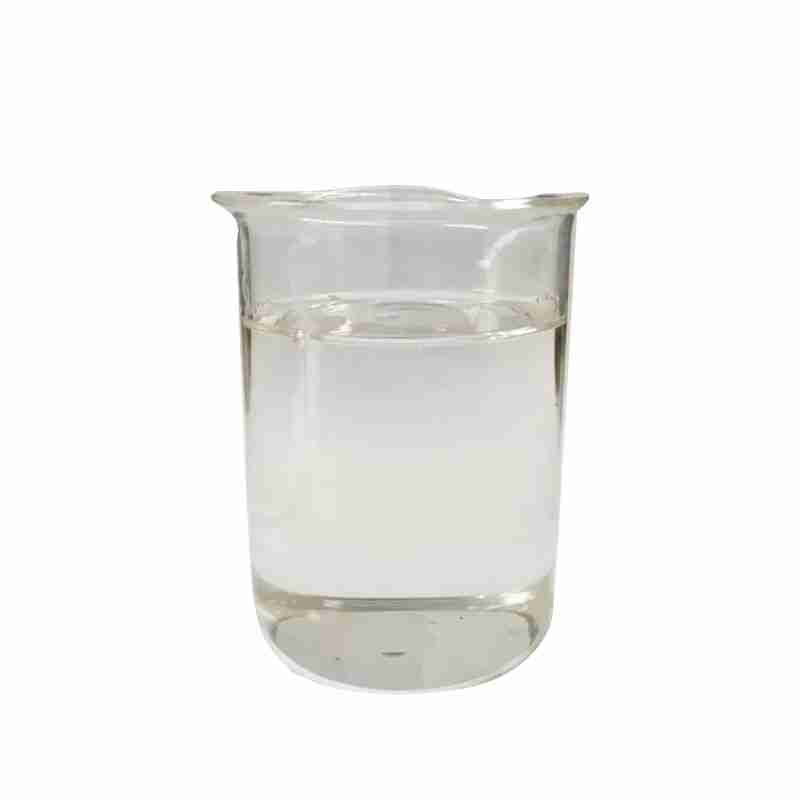
Silicone oil CAS#63148-62-9

Silicone oil, known for its chemical designation as dimethicone or polydimethylsiloxane, is a synthetic polymer with a backbone of alternating silicon and oxygen atoms, creating a highly versatile and stable compound. It is renowned for its exceptional lubricating properties, heat resistance, and non-toxic nature, making it a staple in various industries, including cosmetics, automotive, and aerospace. This hydrophobic, non-volatile oil is valued for its ability to provide a smooth, non-greasy feel and to form stable emulsions with other ingredients. In personal care products, silicone oil is used to impart a silky texture, reduce friction on the skin, and create a protective barrier against environmental stressors without clogging pores. Silicone oil's chemical inertness and resistance to oxidation contribute to its long shelf life and stability in formulations. It is also appreciated for its compatibility with a wide range of substances, allowing for the creation of multifunctional products.

In summary, silicone oil is a reliable and multifaceted ingredient, offering a combination of performance, safety, and sensory benefits. Its use in a variety of applications reflects its versatility and enduring appeal in the marketplace.

Silicone oil CAS#63148-62-9
In Stock
FDA EU Reg. ISO 9001 HACCP Halal Kosher GMP

Technical Specifications

Product Name Silicone oil CAS#63148-62-9

Full COA, MSDS, FDA/EU compliance documentation and third-party lab reports available upon request.

Product Description

Silicone oil, known for its chemical designation as dimethicone or polydimethylsiloxane, is a synthetic polymer with a backbone of alternating silicon and oxygen atoms, creating a highly versatile and stable compound. It is renowned for its exceptional lubricating properties, heat resistance, and non-toxic nature, making it a staple in various industries, including cosmetics, automotive, and aerospace.

This hydrophobic, non-volatile oil is valued for its ability to provide a smooth, non-greasy feel and to form stable emulsions with other ingredients. In personal care products, silicone oil is used to impart a silky texture, reduce friction on the skin, and create a protective barrier against environmental stressors without clogging pores.

Silicone oil’s chemical inertness and resistance to oxidation contribute to its long shelf life and stability in formulations. It is also appreciated for its compatibility with a wide range of substances, allowing for the creation of multifunctional products.

In summary, silicone oil is a reliable and multifaceted ingredient, offering a combination of performance, safety, and sensory benefits. Its use in a variety of applications reflects its versatility and enduring appeal in the marketplace.

Description

Silicone oil Chemical Properties
Melting point ?59???C(lit.)
Boiling point 101???C(lit.)
density 0.963 g/mL at 25 ??C
Tg -123
vapor density >1 (vs air)
vapor pressure <5 mm Hg ( 25 ??C)
refractive index n20/D 1.377(lit.)
Fp >270 ??C (518 ??F)
storage temp. 2-8??C
solubility Chloroform (Slightly), Ethyl Acetate (Sparingly), Toluene (Sparingly)
form Oily Liquid
Specific Gravity 0.853
color Clear colorless
Odor Odorless
Water Solubility PRACTICALLY INSOLUBLE
Merck 14,8495
Dielectric constant 2.7??Ambient??
Stability: Stable. Incompatible with strong oxidizing agents.
EPA Substance Registry System Dimethyl siloxanes and silicones (63148-62-9)
Safety Information
Hazard Codes
Risk Statements
Safety Statements
WGK Germany 1
RTECS JM9237000
F 10
Autoignition Temperature >400
TSCA Yes
HS Code 39100000
Hazardous Substances Data 63148-62-9(Hazardous Substances Data)
Toxicity LD50 oral in rat: > 17gm/kg
Related Products
Lauryl glucoside CAS#110615-47-9
Daily Chemicals

Lauryl glucoside CAS#110615-47-9

Lauryl Glucoside is an eco-conscious non-ionic surfactant, derived from sustainable lauric acid and glucose. It offers superior mildness and biodegradability, making it an ideal choice for formulating gentle and effective cleaning agents in personal care and household products. Its bio-based nature aligns with the growing demand for green chemistry solutions.

View Details →
Imidazolidine CAS#504-74-5
Daily Chemicals

Imidazolidine CAS#504-74-5

Imidazolidine is a versatile heterocyclic amine compound, prized for its chemical stability and reactivity in synthesis processes. Widely utilized as a key intermediate in pharmaceuticals, agrochemicals, and various chemical formulations, it offers a reliable foundation for developing innovative products.

View Details →
Ammonium sulfamate CAS#7773-06-0
Daily Chemicals

Ammonium sulfamate CAS#7773-06-0

Ammonium sulfamate is a white crystalline compound with the chemical formula (NH4)2SO3. It is a versatile chemical used in various applications, including as a flame retardant, a fertilizer ingredient, and a chemical intermediate. In the agricultural sector, it serves as a source of nitrogen, promoting plant growth. As a flame retardant, it is effective in reducing the flammability of materials. Additionally, it is used in the synthesis of other chemicals due to its reactivity with amines and other organic compounds. Its properties make it a valuable component in a range of industrial processes.

View Details →
Octocrylene CAS#6197-30-4
Daily Chemicals

Octocrylene CAS#6197-30-4

Octocrylene is an organic compound widely recognized for its potent UV-filtering properties, making it an essential ingredient in sunscreens and other skincare products designed to protect the skin from harmful ultraviolet radiation. With the chemical name 2-(4-Methylbenzyl)-2H-benzotriazole-5-methyl, octocrylene is a stable and photostable molecule that provides broad-spectrum protection against both UVA and UVB rays. This oil-soluble chemical is valued for its ability to absorb UV radiation effectively, converting it into heat without causing skin irritation or staining clothes. Octocrylene is often used in combination with other UV filters to enhance the sun protection factor (SPF) of formulations, ensuring a balanced and comprehensive defense against sun damage. As a lipophilic compound, octocrylene is compatible with various cosmetic and dermatological formulations, contributing to the development of lightweight, non-greasy sunscreens. Its chemical structure allows for a high degree of safety and efficacy, making it suitable for a wide range of skin types, including sensitive skin. In summary, octocrylene is a reliable and efficient UV filter, pivotal in the formulation of modern sunscreens that offer advanced protection against the sun's harmful effects while maintaining skin comfort and product aesthetics.

View Details →
Ready to Order?

Get Free Samples & Full
Certification Package Today

No minimum order for samples. COA, MSDS, FDA/EU certificates and third-party lab reports delivered with every sample. Technical team responds within 24 hours.