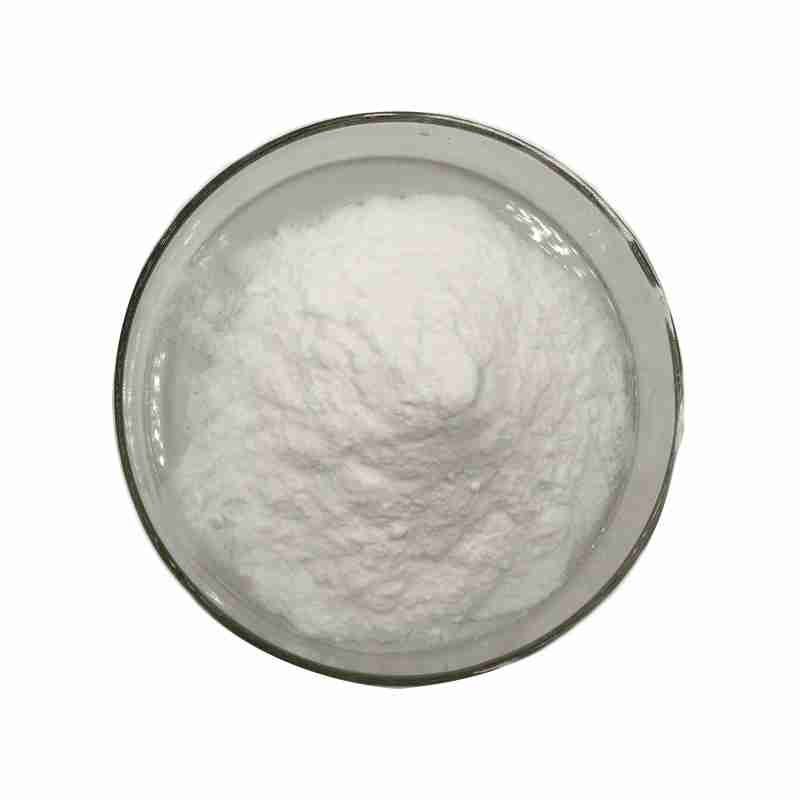
3-methyl-4-propan-2-ylphenol CAS#3228-02-2

3-Methyl-4-propan-2-ylphenol is a key aromatic intermediate with a distinctive methyl and isopropyl substitution pattern on a phenolic structure. It plays a crucial role in the production of specialty chemicals and pharmaceuticals, offering a robust platform for the development of innovative applications.

3-methyl-4-propan-2-ylphenol CAS#3228-02-2
In Stock
FDA EU Reg. ISO 9001 HACCP Halal Kosher GMP

Technical Specifications

Product Name 3-methyl-4-propan-2-ylphenol CAS#3228-02-2

Full COA, MSDS, FDA/EU compliance documentation and third-party lab reports available upon request.

Product Description

3-Methyl-4-propan-2-ylphenol is a key aromatic intermediate with a distinctive methyl and isopropyl substitution pattern on a phenolic structure. It plays a crucial role in the production of specialty chemicals and pharmaceuticals, offering a robust platform for the development of innovative applications.

Description

3-methyl-4-propan-2-ylphenol Chemical Properties
Melting point 111-114???C(lit.)
Boiling point 246 ??C
density 0.9688 (estimate)
vapor pressure 1.81Pa at 25??
refractive index 1.5115 (estimate)
storage temp. Sealed in dry,Room Temperature
solubility soluble in Methanol
form powder to crystal
pka 10.36??0.18(Predicted)
color White to Almost white
Water Solubility 210mg/L at 20??
InChIKey IJALWSVNUBBQRA-UHFFFAOYSA-N
LogP 3.43
CAS DataBase Reference 3228-02-2(CAS DataBase Reference)
Safety Information
Hazard Codes Xi
Risk Statements 36/37/38
Safety Statements 26-37/39
RIDADR 1759
WGK Germany 2
RTECS GZ7170000
HazardClass 8
PackingGroup III
HS Code 29071990
Related Products
Isothiazolinones CAS#26172-55-4
Daily Chemicals

Isothiazolinones CAS#26172-55-4

Isothiazolinones are a class of broad-spectrum, highly effective fungicides and biocides, composed of 5-chloro-2-methyl-4-thiazoline-3-one (CMI) and 2-methyl-4-thiazoline-3-one (MI). These compounds are recognized for their rapid action against microbes, inhibiting their growth upon contact and leading to cell death 9. They are characterized by high biocidal efficiency, good degradation, no residual, safe operation, compatibility, stabilization, and low operational costs 9. Isothiazolinones are used in various industrial applications, including cooling water systems and wastewater treatment in fields such as oil, papermaking, pesticides, cutting oils, leather, detergents, and cosmetics. They are compatible with chlorine and most cationic, anionic, and non-ionic surfactants, and at higher dosages, they exhibit excellent bio-sludge stripping effects 9. The active content in Isothiazolinones-based products typically ranges from 1.5% to 15%, with a pH value between 1.0 and 5.0, depending on the grade. They are available in various forms such as transparent liquids and are packaged in quantities that can be tailored to specific industrial needs 10. Safety precautions are essential when handling Isothiazolinones due to their corrosive nature; they should not come into contact with skin or eyes, and protective equipment is recommended during use

View Details →

Ammonium sulfamate CAS#7773-06-0
Daily Chemicals

Ammonium sulfamate CAS#7773-06-0

Ammonium sulfamate is a white crystalline compound with the chemical formula (NH4)2SO3. It is a versatile chemical used in various applications, including as a flame retardant, a fertilizer ingredient, and a chemical intermediate. In the agricultural sector, it serves as a source of nitrogen, promoting plant growth. As a flame retardant, it is effective in reducing the flammability of materials. Additionally, it is used in the synthesis of other chemicals due to its reactivity with amines and other organic compounds. Its properties make it a valuable component in a range of industrial processes.

View Details →
Coconut diethanolamide CAS#68603-42-9
Daily Chemicals

Coconut diethanolamide CAS#68603-42-9

Coconut diethanolamide is a derivative of coconut fatty acids, where the fatty acid is reacted with diethanolamine to form an amide. This compound is commonly used as an emulsifier and viscosity modifier in personal care products such as shampoos, conditioners, and creams. It imparts a smooth texture and enhances the stability of formulations. Coconut diethanolamide is valued for its ability to improve the foaming properties and skin feel of products, making it a preferred ingredient for creating luxurious and effective formulations in the cosmetics and personal care industry.

View Details →
LAURIC ACID MONOETHANOLAMIDE CAS#142-78-9
Daily Chemicals

LAURIC ACID MONOETHANOLAMIDE CAS#142-78-9

Lauric Acid Monoethanolamide is a chemical compound derived from lauric acid, a saturated fatty acid found in coconut oil and palm kernel oil. It is commonly used as an emulsifier and surfactant in various industrial applications, including the production of personal care products, detergents, and lubricants. This compound enhances the stability and texture of formulations, making it an essential ingredient for creating smooth, homogenous mixtures. Its properties contribute to improved product performance and consumer satisfaction.

View Details →
Ready to Order?

Get Free Samples & Full
Certification Package Today

No minimum order for samples. COA, MSDS, FDA/EU certificates and third-party lab reports delivered with every sample. Technical team responds within 24 hours.