Octocrylene CAS#6197-30-4

Octocrylene is an organic compound widely recognized for its potent UV-filtering properties, making it an essential ingredient in sunscreens and other skincare products designed to protect the skin from harmful ultraviolet radiation. With the chemical name 2-(4-Methylbenzyl)-2H-benzotriazole-5-methyl, octocrylene is a stable and photostable molecule that provides broad-spectrum protection against both UVA and UVB rays. This oil-soluble chemical is valued for its ability to absorb UV radiation effectively, converting it into heat without causing skin irritation or staining clothes. Octocrylene is often used in combination with other UV filters to enhance the sun protection factor (SPF) of formulations, ensuring a balanced and comprehensive defense against sun damage. As a lipophilic compound, octocrylene is compatible with various cosmetic and dermatological formulations, contributing to the development of lightweight, non-greasy sunscreens. Its chemical structure allows for a high degree of safety and efficacy, making it suitable for a wide range of skin types, including sensitive skin.

In summary, octocrylene is a reliable and efficient UV filter, pivotal in the formulation of modern sunscreens that offer advanced protection against the sun's harmful effects while maintaining skin comfort and product aesthetics.

Octocrylene CAS#6197-30-4
In Stock
FDA EU Reg. ISO 9001 HACCP Halal Kosher GMP

Technical Specifications

Product Name Octocrylene CAS#6197-30-4

Full COA, MSDS, FDA/EU compliance documentation and third-party lab reports available upon request.

Product Description

Octocrylene is an organic compound widely recognized for its potent UV-filtering properties, making it an essential ingredient in sunscreens and other skincare products designed to protect the skin from harmful ultraviolet radiation. With the chemical name 2-(4-Methylbenzyl)-2H-benzotriazole-5-methyl, octocrylene is a stable and photostable molecule that provides broad-spectrum protection against both UVA and UVB rays.

This oil-soluble chemical is valued for its ability to absorb UV radiation effectively, converting it into heat without causing skin irritation or staining clothes. Octocrylene is often used in combination with other UV filters to enhance the sun protection factor (SPF) of formulations, ensuring a balanced and comprehensive defense against sun damage.

As a lipophilic compound, octocrylene is compatible with various cosmetic and dermatological formulations, contributing to the development of lightweight, non-greasy sunscreens. Its chemical structure allows for a high degree of safety and efficacy, making it suitable for a wide range of skin types, including sensitive skin.

In summary, octocrylene is a reliable and efficient UV filter, pivotal in the formulation of modern sunscreens that offer advanced protection against the sun’s harmful effects while maintaining skin comfort and product aesthetics.

Description

Octocrylene Chemical Properties
Melting point -10 ??C (lit.)
Boiling point 218 ??C/1.5 mmHg (lit.)
density 1.051 g/mL at 25 ??C (lit.)
vapor pressure 0Pa at 25??
refractive index n20/D 1.567(lit.)
Fp >230???F
storage temp. 15-25??C
solubility Chloroform (Slightly), Methanol (Sparingly)
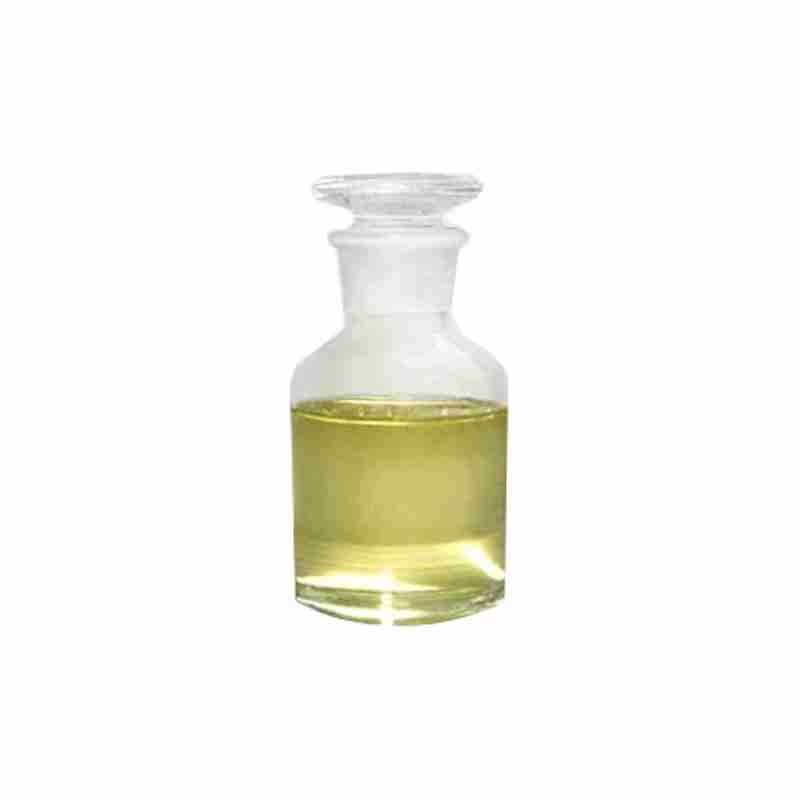
form Oil
color Colourless to Light Yellow
Merck 14,6756
InChIKey FMJSMJQBSVNSBF-UHFFFAOYSA-N
LogP 6.1 at 23??
CAS DataBase Reference 6197-30-4(CAS DataBase Reference)
EPA Substance Registry System 2-Ethylhexyl 2-cyano-3,3-diphenylacrylate (6197-30-4)
Absorption uv max: 303 nm
Safety Information
Risk Statements 52
Safety Statements 29/56
WGK Germany 1
RTECS UD3328750
HS Code 29269095
Toxicity LD50 orl-rat: >5 g/kg NTIS** OTS0556792
Related Products
Silicone oil CAS#63148-62-9
Daily Chemicals

Silicone oil CAS#63148-62-9

Silicone oil, known for its chemical designation as dimethicone or polydimethylsiloxane, is a synthetic polymer with a backbone of alternating silicon and oxygen atoms, creating a highly versatile and stable compound. It is renowned for its exceptional lubricating properties, heat resistance, and non-toxic nature, making it a staple in various industries, including cosmetics, automotive, and aerospace. This hydrophobic, non-volatile oil is valued for its ability to provide a smooth, non-greasy feel and to form stable emulsions with other ingredients. In personal care products, silicone oil is used to impart a silky texture, reduce friction on the skin, and create a protective barrier against environmental stressors without clogging pores. Silicone oil's chemical inertness and resistance to oxidation contribute to its long shelf life and stability in formulations. It is also appreciated for its compatibility with a wide range of substances, allowing for the creation of multifunctional products. In summary, silicone oil is a reliable and multifaceted ingredient, offering a combination of performance, safety, and sensory benefits. Its use in a variety of applications reflects its versatility and enduring appeal in the marketplace.

View Details →
L-Menthol CAS #2216-51-5
Daily Chemicals

L-Menthol CAS #2216-51-5

Menthol, also known as hexahydrothymol, is commonly known as L-menthol, and its scientific name is 5-methyl-2-isopropyl-cyclohexanol. It is a very important cycloterpene alcohol. L-menthol has a characteristic mint aroma and has a cooling effect. Racemic ?C menthol also has a cooling effect, while other isomers have no cooling effect. L-menthol accounts for a large proportion of applications in medicine and health. It can be used as poultice, ointment, analgesic, local anesthetic, cooling agent, antipruritic agent, mouthwash, bactericide, and for the treatment of toothache, Tablets for stomach pain, neuralgia, etc.; the second largest use is spices. L-menthol is a spice in demand among cyclic monoterpene alcohols. It can be used as tobacco spices, used with peppermint oil to prepare toothpaste flavors, and other spices. Toilet water; menthol can also be used as a flavoring agent for a variety of foods, such as candies, chewing gum, cakes, fruit wine, refreshing drinks, etc.

View Details →
SODIUM ETHYL 2-SULFOLAURATE CAS#7381-01-3
Daily Chemicals

SODIUM ETHYL 2-SULFOLAURATE CAS#7381-01-3

Sodium Ethyl 2-Sulfolaurate is a surfactant with a unique combination of properties. It is an anionic compound, derived from the sulfonation of ethyl laurate, which is then neutralized with sodium hydroxide. This results in a product that is highly effective in lowering the surface tension of water, making it an excellent wetting agent and emulsifier. It is commonly used in personal care products, detergents, and industrial applications for its foaming and dispersing capabilities. As a mild and biodegradable ingredient, it is favored for its environmental and skin-friendly attributes, ensuring safety and performance in a variety of formulations.

View Details →
Osthole CAS# 484-12-8
Daily Chemicals

Osthole CAS# 484-12-8

Osthole belongs to coumarin compounds. It is prismatic-like crystals (diethyl ether) and needle-like crystals (Ethanol) with the melting point being 83~84 ?? and the boiling point being 145~150 ??. It is soluble in alkaline solution, methanol, ethanol, chloroform, acetone, ethyl acetate, and boiling petroleum ether but insoluble in water and petroleum ether. Osthole has various kinds of effects of antispasmodic, hypotensive, anti-arrhythmic and enhancing immune function and broad-spectrum antimicrobial effect. Osthole can not only have efficacy such as anti-hypertensive, anti-arrhythmic, anti-inflammatory, anti-tumor and anti-osteoporosis effect, but can also act as a new type of biological pesticides with significant efficacy in treating pests and plant pathogens.

View Details →
Ready to Order?

Get Free Samples & Full
Certification Package Today

No minimum order for samples. COA, MSDS, FDA/EU certificates and third-party lab reports delivered with every sample. Technical team responds within 24 hours.