Sodium Isethionate CAS#1562-00-1

Sodium 2-hydroxyethyl sulfonate (also known as sodium hydroxyethyl sulfonate) is a sodium salt of 2-hydroxyethanesulfonic acid (hydroxyethyl sulfonate), which is used as a hydrophilic head group in detergent active surfactants. Due to its strong polarity and resistance to multivalent ions, it is called hydroxyethyl sulfonate (acyloxyethanesulfonate). It is being studied as a high-yield chemical in the High Production (HPV) Chemical Challenge Program of the US Environmental Protection Agency (EPA). Solid sodium 2-hydroxyethyl sulfonate is a colorless, free flowing, non hygroscopic solid that is easily soluble in water and has good biodegradability. Due to the synthesis method, the sample usually contains trace amounts of sodium sulfite or sodium bisulfite, resulting in a pH value of about 10 in the aqueous solution, which is weakly alkaline.

Sodium Isethionate CAS#1562-00-1
In Stock
FDA EU Reg. ISO 9001 HACCP Halal Kosher GMP

Technical Specifications

Product Name Sodium Isethionate CAS#1562-00-1

Full COA, MSDS, FDA/EU compliance documentation and third-party lab reports available upon request.

Product Description

Sodium 2-hydroxyethyl sulfonate (also known as sodium hydroxyethyl sulfonate) is a sodium salt of 2-hydroxyethanesulfonic acid (hydroxyethyl sulfonate), which is used as a hydrophilic head group in detergent active surfactants. Due to its strong polarity and resistance to multivalent ions, it is called hydroxyethyl sulfonate (acyloxyethanesulfonate). It is being studied as a high-yield chemical in the High Production (HPV) Chemical Challenge Program of the US Environmental Protection Agency (EPA).

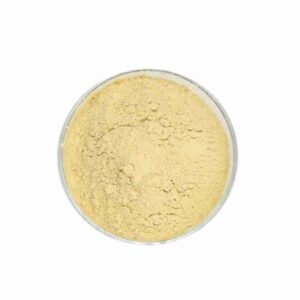
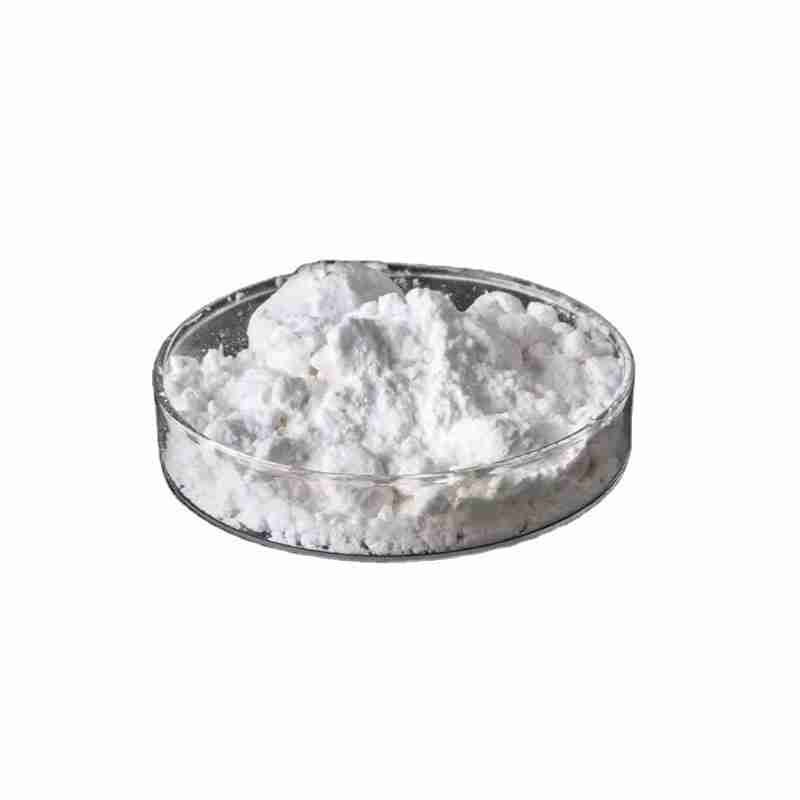
Solid sodium 2-hydroxyethyl sulfonate is a colorless, free flowing, non hygroscopic solid that is easily soluble in water and has good biodegradability. Due to the synthesis method, the sample usually contains trace amounts of sodium sulfite or sodium bisulfite, resulting in a pH value of about 10 in the aqueous solution, which is weakly alkaline.

Description

Sodium Isethionate CAS#1562-00-1

Sodium isethionate Basic information
Product Name: Sodium isethionate
Synonyms: sodium2-hydroxyethylsulfonate;sodiumbeta-hydroxyethanesulfonate;Ethanesulfonicacid,2-hydroxy-,monosodiumsalt;sodium2-hydroxy-1-ethanesulfonate;2-Hydroxyethansulfonsure, Na-Salz;Hydroxyl vinyl sulfonate , sodium salt;2-Hydroxyethane-1-sulfonic acid sodium salt;Isethionic acid, sodium salt,98%
CAS: 1562-00-1
MF: C2H5NaO4S
MW: 148.11
EINECS: 216-343-6
Product Categories: bc0001
Mol File: 1562-00-1.mol
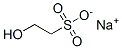
Sodium isethionate Structure
Sodium isethionate Chemical Properties
Melting point 191-194???C(lit.)
density 1762.7[at 20??]
storage temp. Store below +30??C.
solubility H2O: 0.1?g/mL, clear, colorless
form Fine Powder
color White
PH 7.0-11.0 (20g/l, H2O, 20??)
Water Solubility SOLUBLE
BRN 3633992
Stability: Stable. Hygroscopic. Incompatible with strong oxidizing agents, strong acids.
LogP -4.6 at 20??
CAS DataBase Reference 1562-00-1(CAS DataBase Reference)
EPA Substance Registry System Ethanesulfonic acid, 2-hydroxy-, monosodium salt (1562-00-1)
Safety Information
Hazard Codes Xn
Risk Statements 40
Safety Statements 24/25-36-22
WGK Germany 1
RTECS KI7700000
TSCA Yes
HS Code 29055910
Hazardous Substances Data 1562-00-1(Hazardous Substances Data)
Toxicity LD50 orally in Rabbit: > 2500 mg/kg
Related Products
Isopropyl myristate CAS#110-27-0
Daily Chemicals

Isopropyl myristate CAS#110-27-0

Isopropyl Myristate is a versatile ester derived from isopropyl alcohol and myristic acid, serving as an emollient and solvent in cosmetics and pharmaceuticals. It enhances product texture and spreadability, ensuring a smooth and comfortable application experience.

View Details →
EC 3.4.21.14 CAS#9014-01-1
Daily Chemicals

EC 3.4.21.14 CAS#9014-01-1

EC 3.4.21.14, previously classified, now redirects to EC 3.4.21.67, identifying endopeptidase So. This serine endopeptidase is integral in the hydrolysis of peptide bonds, a critical function in biological systems. Its applications extend across research and development in the pharmaceutical and biotechnological industries.

View Details →
Vitamin A Acetate CAS# 127-47-9 Retinyl Acetate
Daily Chemicals

Vitamin A Acetate CAS# 127-47-9 Retinyl Acetate

Retinyl acetate (Vitamin A Acetate) is a yellow prismatic crystal, a lipid compound, and its chemical stability is better than vitamin A. This product or its palmitate is often used clinically dissolved in vegetable oil, and is hydrolyzed by enzymes in the body to obtain vitamin A. The vitamin A recorded in the Chinese Pharmacopoeia is actually vitamin A acetate. There are two types of vitamin A alcohol: vitamin A1 alcohol, which is retinol, and vitamin A2 alcohol, which is dehydroretinol. Vitamin A alcohol usually refers to vitamin A1 alcohol. The biological potency of vitamin A2 alcohol is 30-40% of that of vitamin A1 alcohol. Its structure is similar to vitamin A1 alcohol, except that it has one more double bond at the C-3 and C-4 positions of the cyclohexene ring.

View Details →
Lactobionic acid CAS#96-82-2
Daily Chemicals

Lactobionic acid CAS#96-82-2

Lactobionic acid is a naturally occurring, high molecular weight sugar acid derived from lactose, known for its multifaceted applications in the pharmaceutical and cosmetic industries. With the chemical formula C18H32O12, it is a reducing sugar that forms a component of the milk sugar lactose. This water-soluble compound is celebrated for its antioxidant and chelating properties, which make it an effective ingredient in skincare products, particularly for its ability to protect the skin from oxidative stress and environmental aggressors. Lactobionic acid is also recognized for its gentle exfoliating action, as it can help to remove dead skin cells and promote cell renewal without causing irritation. Moreover, its acidic nature contributes to its use as a pH adjuster in formulations, helping to maintain the skin's natural acid mantle. Lactobionic acid is also valued for its ability to complex with metal ions, providing stability to products and enhancing the performance of other active ingredients. In summary, lactobionic acid is a versatile ingredient in skincare, offering antioxidant benefits, promoting skin renewal, and providing a stable platform for product formulation. Its gentle yet effective properties make it suitable for a wide range of skin types and applications.

View Details →
Ready to Order?

Get Free Samples & Full
Certification Package Today

No minimum order for samples. COA, MSDS, FDA/EU certificates and third-party lab reports delivered with every sample. Technical team responds within 24 hours.